Travel
Seoul Travel Guide 2026: Everything a First-Timer Needs (From Someone Who Lives Here)
The payoff Twenty browser tabs open, no idea where Seoul even starts → one plan you can copy, a base you're confident in, and a first trip that runs on about ₩70,000–120,000 a day instead of leaking hours and won.
📈 Trend signal: Recurring r/koreatravel + Google demand for a single 'how do I plan Seoul' starting point — first-timers keep asking the same eight questions in a different order
This guide contains affiliate links. If you book through one, I may earn a small commission at no extra cost to you — it never changes what I recommend.
Most first-timers plan Seoul backwards. They start with a bucket list of sights, screenshot a dozen Instagram cafés, and only realize at the gate that they can’t read a single sign, Google Maps won’t give them directions, and they’ve booked a hotel forty minutes from everything they wanted to see. I’ve lived in Seoul for five years, and I’ve watched this exact scramble play out on r/koreatravel a hundred times: smart people, overwhelmed by a city that doesn’t hand you its instructions in English.
So this isn’t a listicle of “top 20 things.” It’s the guide I wish someone had handed me — the order to make decisions in, the traps that cost people their first morning, and the real numbers behind all of it. Think of it as the hub: each section gives you the short, useful version and then points you to the one deep-dive guide that answers it fully. Read this top to bottom and you’ll have a plan, not a pile of tabs. Let’s build your trip in the order that actually matters.
First, the honest overview: how long, when, how much
Three questions decide the shape of your whole trip, so let’s kill them upfront.
How many days? Three full days covers Seoul’s core — palaces, a couple of neighborhoods, one night market, good food. Five is the sweet spot: it adds a day trip out of the city and a second neighborhood without feeling rushed. Beyond a week and you’ll want to pair Seoul with somewhere else (Busan down south is the classic combo). If you only have 48 hours, you can still do the highlights — you’ll just skip the day trip.
When to come? Seoul has two genuinely great windows and two you should know about. Late September through October is peak — cool, clear, and the autumn foliage turns the palaces and mountains gold. April–May brings cherry blossoms and mild weather. July is the monsoon — a warm, humid wall of rain that can flood a day’s plans (I keep a whole rainy-day indoor guide precisely because of it), and August is sticky and hot. Winter is cold but dry, cheap, and the ski slopes open. If your dates land near a major holiday like Chuseok, read up first — the city empties out and some shops close, which is either a gift or a nuisance depending on your plans.
How much per day? Here’s the part nobody gives you a straight answer on. Excluding your hotel, a mid-range first-timer spends roughly this per day:
| Spending style | Food | Transport | Sights/activities | Rough daily total (ex-hotel) |
|---|---|---|---|---|
| Budget | ₩20,000 | ₩5,000 | ₩5,000 (mostly free) | |
| Mid-range | ₩45,000 | ₩8,000 | ₩25,000 | |
| Comfortable | ₩80,000 | ₩15,000 | ₩45,000 |
Seoul is cheaper than Tokyo or most Western capitals for food and transport, and more expensive than Southeast Asia. The single biggest variable is how much you eat out at nicer places versus street markets — both are excellent. If you’re weighing a longer stay or a move, the full monthly math lives in our cost of living in Seoul breakdown.
Before you fly: the three things that make minute one easy
The difference between a smooth arrival and a stressful one comes down to three chores you do before you land. Skip them and your first hour is spent standing in an airport buying a SIM card while jet-lagged.
First, data. Get a Korean eSIM sorted before you fly — it activates the moment you land, so you have maps and translation from the jet bridge instead of hunting for airport Wi-Fi. This is the one prep step people most often regret skipping.
Second, maps. This surprises almost everyone: Google Maps does not give walking or transit directions inside Korea — it’s a legal data restriction, not a bug. You’ll download Naver Map or KakaoMap instead, and once you do, navigating is genuinely easy. Do it at home so the app’s set up before you need it in a subway station.
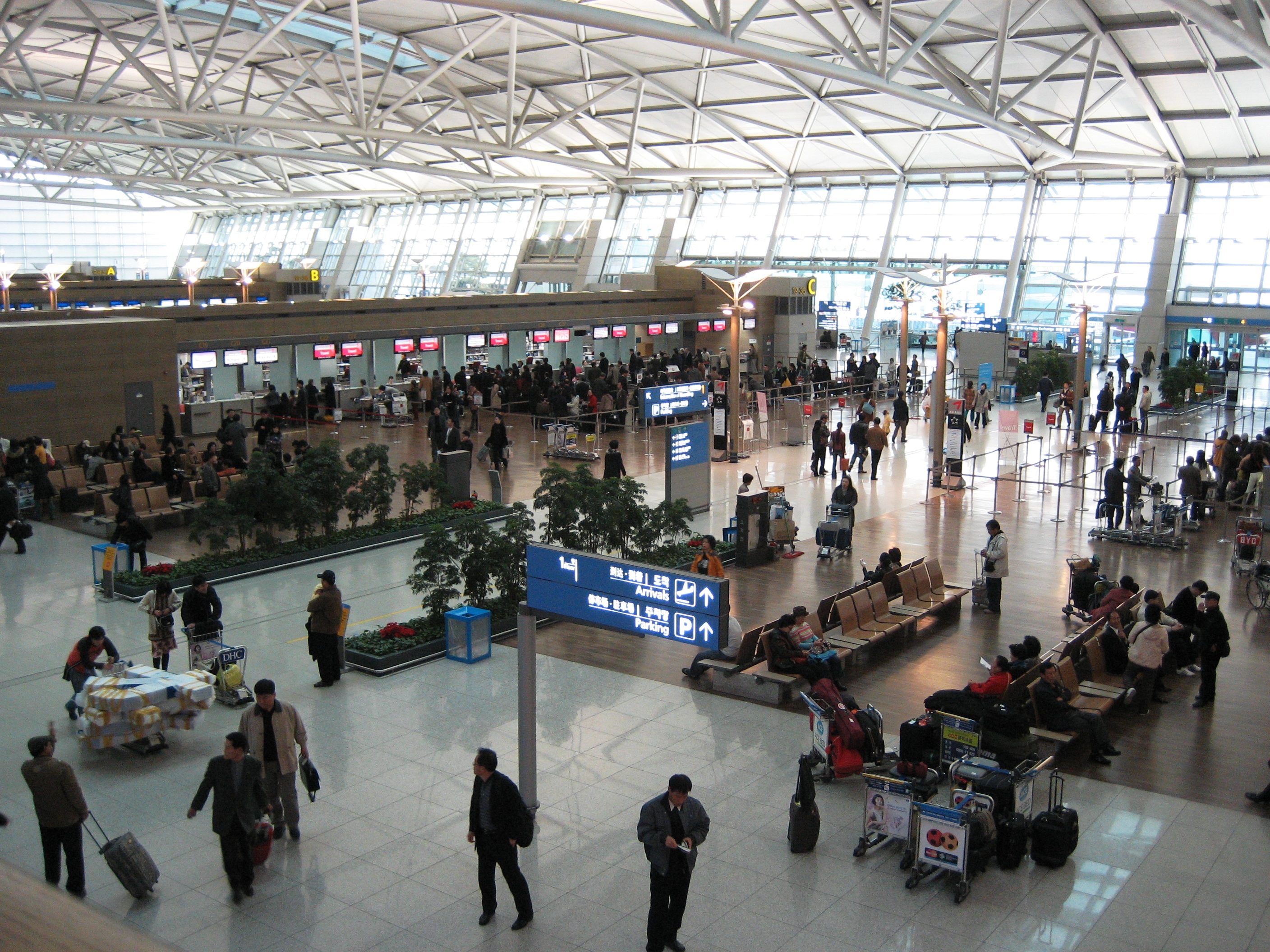
Third, your ride into the city. From Incheon, the same 60-km trip costs anywhere from ₩4,150 to ₩90,000 depending on which sign you follow — and the most expensive option is often the slowest in rush hour. Our Incheon airport to Seoul guide compares every route on real 2026 fares and times; the short version is that a light traveler takes the AREX train and someone with three suitcases takes the limousine bus. Grab a T-money card at an airport convenience store on the way out — one tap covers trains, subways, and buses for your entire trip, and it’s the single thing that makes getting around feel effortless.
Do these three things and you step off the plane already ahead of 90% of first-timers.
Where to base yourself (this decision matters most)
If there’s one choice that makes or breaks a first Seoul trip, it’s where you sleep — because Seoul is huge, and the wrong base burns an hour of subway every morning before you’ve had coffee. My full where to stay in Seoul guide breaks down five neighborhoods by transit and vibe, but here’s the decision in one paragraph:
For a first trip, base yourself in Myeongdong or Insadong. Both sit in the historic downtown core, both are walking distance to the grand palaces, and both give you two subway lines so nowhere in the city is more than a transfer or two away. Choose Myeongdong if you want convenience, shopping, and zero navigational stress; choose Insadong/Jongno if you’d rather sleep somewhere with hanok character and quieter nights. Save Hongdae (young, cheap, loud), Gangnam (sleek but 30–40 minutes from the old city), and Itaewon (international, English-easy) for day trips out — or for a second visit, once you know which Seoul you love. And whatever you do, pick one base and stay put for the whole Seoul leg; hopping hotels to be “closer to today’s plan” wastes more time than it saves.
👉 Search hotels by station rather than by district — Myeongdong and Insadong each put you on two subway lines, and a room three minutes from an exit beats a nicer room fifteen minutes away every single day of a short trip.
What to actually do in the city
Once you’re based and mobile, the city itself is a mix of free wonders and a few paid sights worth paying for. Two guides do the heavy lifting here.
Start with the free stuff, because there’s more of it than Reddit admits: our free things to do in Seoul list covers the hanbok trick that gets you into any palace for ₩0, the “last Wednesday of the month” free-admission loophole, and the National Museum of Korea — a world-class museum whose permanent galleries cost nothing (a 2027 admission fee has been proposed but not decided). You can genuinely fill two or three days without an entrance fee.
For the paid sights, the question is whether a city pass saves you money. If your list leans toward ticketed attractions — the N Seoul Tower deck, a Han River cruise, palace entries, theme parks — run the numbers with our Discover Seoul Pass break-even math before buying tickets one at a time; it pays off for some itineraries and wastes money on others, and the guide tells you which is which. And if the sky opens on you — which in summer it will — the rainy-day indoor guide turns a washout into aquariums, spa-town jjimjilbang, and the cavernous Starfield Library.
My core-Seoul shortlist, in priority order: Gyeongbokgung Palace (go early, catch the Guard Changing Ceremony), Bukchon Hanok Village next door, the National Museum, a Han River evening (the Banpo rainbow fountain runs April–October), and one proper market crawl at Gwangjang for the food. Nail those and you’ve seen the Seoul people come for.
Day trips: the one excursion most people add
Most first-timers plan Seoul as a city break and then realize they want one day out of the city — and that instinct is right. The full menu is in our day trips from Seoul guide (including a UNESCO fortress you reach for about ₩1,000 by subway), but here’s how to choose.
The single most-added excursion is the DMZ tour from Seoul — the border with North Korea, which has to be done on a guided tour and is genuinely unlike anything else you’ll do in Korea. If you’re traveling with kids or want a pure fun day, Everland is Korea’s biggest theme park and our guide covers the foreigner discounts most people miss. And for the postcard scenery, Nami Island is the tree-lined island from Winter Sonata — our guide does the honest math on whether to join a tour or do it yourself (DIY usually wins). Pick one day trip for a 3-day trip, or one plus a half-day for five days; more than that and you’ve turned a Seoul trip into a bus tour.
👉 Guided day tours (DMZ, Nami, Everland transfers) are worth locking in early — the DMZ ones genuinely sell out. Klook lists most of the Seoul day trips with free cancellation on the flexible options.
Shopping & beauty: the two things everyone buys
Two categories of shopping are practically a rite of passage, and both have insider angles worth knowing.
Korean skincare and cosmetics are the obvious one — and the place to buy them is Olive Young, the drugstore chain on every other corner. Our what to buy at Olive Young guide is a curated cart of what’s actually worth the suitcase space (and the tax-refund trick that knocks the price down), rather than grabbing random sheet masks. If you’re going deeper — actual dermatology, not just serums — foreigners increasingly build a half-day around a Seoul skin clinic, where treatments that cost a fortune back home are startlingly affordable; that guide covers what to expect and how to book without Korean.
Beyond beauty, the markets are the shopping experience: Myeongdong for cosmetics and street food, Gwangjang and Namdaemun for old-Seoul chaos and eating, and the department-store food halls for a splurge. You don’t need a plan here — you need a mostly empty suitcase.
A little Korean goes a long way
You do not need to speak Korean to have a great trip — English signage is good on the subway and in tourist areas, and translation apps handle the rest. But knowing a little about how Korean social life works makes the trip warmer and stops you accidentally being rude. If you’ve ever wondered why a café server called you “oppa” or why everyone keeps asking if you’ve eaten, our explainers on what “oppa” means and how Korean honorifics work unpack the one cultural system that quietly runs every interaction here. It’s the kind of context that turns “tourist going through the motions” into “traveler who gets it” — and it’s genuinely fun to notice once you know what to listen for.
If you’re staying longer than a trip
Some readers arrive on this page planning a holiday and leave planning a life — Seoul does that. If a short trip is turning into “could I actually live here,” two guides bridge the gap: the real, itemized cost of living in Seoul (rent, food, transport, the hidden “expat lifestyle tax”), and how to handle seeing a doctor in Korea as a foreigner — because Korea’s healthcare is excellent, cheap, and confusing until someone explains it once. Even as a tourist, that second one is worth a skim: knowing how a walk-in clinic works here is the kind of thing you only wish you’d read before you needed it.
The plan: a 3-day and 5-day Seoul itinerary you can copy
Here’s everything above, assembled into a plan you can lift wholesale. It’s built around a central base (Myeongdong or Insadong), groups sights by area to minimize backtracking, and keeps evenings loose for food.
| Day | Morning | Afternoon | Evening |
|---|---|---|---|
| 1 — Old Seoul | Gyeongbokgung Palace + Guard Ceremony (hanbok = free entry) | Bukchon Hanok Village → Insadong tea street | Gwangjang Market food crawl |
| 2 — Museums & river | National Museum of Korea (free through 2026) | Itaewon or Yongsan lunch → Namsan/N Seoul Tower | Han River picnic + Banpo fountain (Apr–Oct) |
| 3 — Shopping & modern | Myeongdong: Olive Young + street food | Hongdae browsing & cafés | Night market or a K-BBQ dinner |
| 4 — Day trip (5-day) | DMZ tour or a cheap out-of-town day | (day trip continues) | Back to base, easy dinner |
| 5 — Your Seoul (5-day) | Gangnam or a skin-clinic/spa morning | Second museum, park, or leftover sights | Farewell meal, pack the empty suitcase |
For 48 hours, run Days 1 and 2 and cherry-pick from Day 3. For five days, the day trip on Day 4 is what most people remember most — don’t skip it. Every activity in this table has a full guide linked above, so you can drill into any single day without re-planning the whole thing.
FAQ
How many days do you need in Seoul? Three full days covers the core — palaces, a couple of neighborhoods, markets, and good food. Five is the comfortable sweet spot because it adds a day trip (like the DMZ) and a second neighborhood without rushing. Two days is doable for the highlights if you base yourself centrally and skip the out-of-town excursion.
What’s the best time of year to visit Seoul? Late September through October is the top pick — cool, clear, and peak autumn foliage. April–May is a close second for cherry blossoms and mild weather. Avoid July if you can (monsoon rains) and expect August to be hot and humid. Winter is cold but dry, cheap, and good for skiing.
Do I need to speak Korean to visit Seoul? No. Subway and tourist-area signage is bilingual, younger Koreans often speak some English, and a translation app covers the rest. Download Naver Map or Papago before you go, since Google Maps doesn’t give directions in Korea, and you’ll be fine. Learning a few phrases and a little about honorifics makes it friendlier, but it’s a bonus, not a requirement.
How much money do I need per day in Seoul?
Excluding your hotel, budget travelers get by on about ₩30,000/day ($22), mid-range travelers spend roughly ₩78,000/day ($57), and a comfortable pace runs around ₩140,000/day (~$100). Food and transport are cheap; the variable is how often you eat at nicer restaurants versus markets. See our cost of living guide for the deeper breakdown.
Is Seoul expensive? Less than you fear. It’s cheaper than Tokyo or most Western capitals for food, transport, and attractions — you can fill days with genuinely free things — but pricier than Southeast Asia. Public transport is a bargain (a subway ride is around ₩1,400), street food is excellent and cheap, and the splurges are optional.
What’s the first thing I should do when I arrive? Before you even leave the airport: buy and load a T-money card, and make sure your eSIM is active. Then take the AREX train or limousine bus into the city based on how much luggage you have. Those three moves handle data, transport, and payment — everything else can wait until you’ve dropped your bags.
Written by Yongwoo Chung, a Seoul-based writer who has covered Korea for newcomers for five years. Prices, opening days, and free-admission windows change — confirm current details on the official Visit Seoul site and each attraction before you go.
Planning Your Korea Trip? Don't Pay Full Price! ✨
Save $20–$50 per person with our verified reader perks & skip the long ticket booth queues:
AREX Incheon ↔ Seoul Express
Non-stop 43-min direct train with guaranteed reserved seats & free Wi-Fi. Scan your mobile QR straight at the gate!
Get 20% Off AREX Ticket →Korea Unlimited 5G eSIM
Skip the 30-min airport counter line. Scan the QR code to connect instantly for smooth Naver Maps navigation.
Compare Korea eSIM Options →WOWPASS Card (Pay + T-Money)
Pay anywhere in Korea with zero FX fees + subway card. Use code KOREAEASY for 0.5% cash top-up bonus!
Top Seoul Passes & Day Tours
Guaranteed entry for Lotte World, Nami Island tours, CIMER Spa, and Hanbok palace rentals with instant mobile vouchers.
Browse Top Seoul Deals →Sources
- https://english.visitseoul.net/
- https://english.visitkorea.or.kr/
- https://www.arex.or.kr/main.do
- https://www.reddit.com/r/koreatravel/
- https://www.museum.go.kr/ENG
Search-trend data from Google Trends (KR) and Naver DataLab. This article is independent commentary and is not affiliated with any broadcaster, agency, or the individuals mentioned.
Renting a Car in Korea: 1949 vs 1968 IDP Rules, Self-Service Gas Stations & the Hi-Pass Toll Lane Trap
Korea's Coin Laundromats: Foreign Card Failures, Detergent Dispensers & the Change Machine Trap