K-Culture
What Does Oppa Really Mean? The Korean Honorifics K-Drama Fans Keep Getting Wrong (Oppa, Hyeong, Unnie, Noona)
The payoff Hearing a breathy 'oppa…' in every K-drama and just nodding along, unsure whether it means brother, boyfriend or something you shouldn't say → knowing exactly who says oppa, hyeong, unnie or noona — and to whom — so you never pick the wrong one again.
📈 Trend signal: K-drama honorifics search demand 2026 (oppa / unnie / noona)
If you watch K-dramas, you’ve heard it a hundred times: someone’s eyes go soft, and they breathe out a single word — “oppa…” — and the whole scene changes. You probably nodded along without knowing that one syllable was doing more work than the entire line of subtitles under it.
I grew up in Korea calling people these words every single day, and I still remember the first time an American friend asked me, dead serious, “Wait, so is oppa like… boyfriend?” No. And also, sometimes, kind of yes. That gap — between the dictionary and what the word actually does in a room — is what your K-drama never explains. So here’s the real version, from someone who’s been getting it right (and occasionally very wrong) his whole life.
First, the thing nobody tells you: these words depend on your gender
Here’s the mistake almost every learner makes. They assume oppa means “older brother.” It doesn’t — not exactly. In Korean, the word you use for an older person changes based on who is speaking, not just who you’re speaking to.
The same older guy is called two completely different things depending on whether you are a woman or a man:
- If you are female, an older male is your oppa (오빠).
- If you are male, that same older male is your hyeong (형).
And for an older woman:
- If you are female, she’s your unnie (언니).
- If you are male, she’s your noona (누나).
So there are four words for two situations, and the deciding factor is the speaker’s gender. Read that twice, because this is the single thing that unlocks all of it. A K-drama heroine calls her crush oppa; her male best friend calls that same crush hyeong. Nobody’s confused — the words just encode the relationship automatically.
Want the cheat-sheet version you can screenshot? Here it is.
| You are… | Older male is your… | Older female is your… |
|---|---|---|
| Female | oppa (오빠) | unnie (언니) |
| Male | hyeong (형) | noona (누나) |
Oppa (오빠) — the most loaded word in the Korean language
오빠 · oppa · literally: a woman’s older brother
Technically, oppa is what a girl calls her biological older brother. But it exploded far past family a long time ago. A woman uses oppa for basically any older male she feels close to — an older friend, a senior at school, a boyfriend, a favorite idol.
That’s the trap. Because oppa carries warmth by default, it sits on a sliding scale from “friendly” to “flirty,” and the thing that moves the slider isn’t the word — it’s the tone. (More on that below, because it’s the whole reason this word is famous.)
A few real-life notes I’d give a friend:
- You call a man oppa only if he’s older than you and you’re female. If he’s the same age, he’s just his name.
- Idol fans call their favorite male star oppa even if he has no idea they exist. That’s normal and expected — and if your oppa is touring, here’s how to actually buy K-pop concert tickets in Korea as a foreigner.
- Calling a man oppa when you’ve just met can read as instantly familiar — sometimes charming, sometimes a little forward. Koreans clock the difference instantly.
Hyeong (형) — brotherhood, and the word that runs Korean society
형 · hyeong · a man’s older brother / older male friend
If you’re a guy, hyeong is your bread and butter. Your older brother, your senior teammate, the older guy at work you actually like — all hyeong. It’s the backbone of male friendship in Korea, and it carries a real sense of loyalty, almost a code: your hyeong looks out for you, and you show him respect back.
You’ll hear men stack it right onto a name — Jinwoo-hyeong, Minho-hyeong — the way you’d casually say “big bro.” It’s warm, it’s grounding, and using it correctly is one of the fastest ways to sound like you actually belong.
Unnie (언니) — and why you’ll hear it in a clothing store
언니 · unnie · a woman’s older sister / older female friend
Unnie is what a woman calls an older woman she’s close to. Older sister, older friend, the cool senior everyone looks up to — all unnie, dripping with a kind of affectionate, look-up-to-her energy.
Here’s the fun part that catches tourists off guard: in casual shops, markets, and restaurants, younger female staff and customers toss unnie around loosely as a friendly, flattering way to address a woman who looks roughly their age or a touch older. A shop clerk calling you unnie isn’t claiming you’re her sister — she’s being warm (and, let’s be honest, softening you up a little). Take the compliment.
Noona (누나) — the K-drama “older woman” word
누나 · noona · a man’s older sister / older female friend
Noona is what a man calls an older woman he’s close to. It’s the word behind an entire romance sub-genre — the “noona romance,” where a younger man falls for an older woman. When a male lead lowers his voice and says “noona,” Korean viewers feel the exact same jolt English speakers get from a well-placed “hey, you.”
Real usage: your older female friend, an older female coworker you’re friendly with, an older sister. Said plainly, it’s just respect. Said softly, with a particular look — same tone game as oppa, which is where we’re headed.
New to all four and it still feels like alphabet soup? This is honestly the fastest thing to fix with 20 minutes of real audio, because it’s about sound and situation, not grammar. Want to actually learn to use these the way Koreans do? KoreanClass101 — from Innovative Language, the team behind the Class101 audio-lesson platforms — has short, native-audio lessons built exactly around this kind of real, situational Korean.
Imo (이모) — why the restaurant lady is your “aunt”
이모 · imo · literally: mother’s sister (maternal aunt)
This one delights every foreigner who figures it out. Walk into a small Korean restaurant — the kind with an ajumma (middle-aged woman) running the floor — and you’ll hear regulars call out “Imo! One more bottle of soju!”
Imo literally means “mom’s sister.” But at a neighborhood eatery, calling the owner or server imo is a warm, familiar way to say “you feel like family here.” It’s more affectionate than the neutral ajumma, and it makes the whole exchange friendlier. Do it right and the imo might just slip you an extra side dish. (Related survival Korean: our Busan food guide is full of moments where knowing what to call the person cooking your food genuinely changes the meal.)
Quick calibration: use imo for a motherly, middle-aged restaurant worker. For a woman closer to your own age, unnie is safer. And when in doubt, the fully neutral, always-polite move is sajangnim — which is next.
Sajangnim (사장님) — the magic word that’s never wrong
사장님 · sajangnim · “boss / owner,” -nim = honorific suffix
If you remember one word from this whole post, make it this one. Sajangnim means “company president” or “shop owner,” and the -nim on the end is Korean’s all-purpose honorific suffix (the same -nim in seonsaeng-nim, “teacher”).
Why it’s a cheat code: calling any shop or restaurant owner sajangnim is always respectful and never awkward. Not sure if she’s an imo or an unnie? Not sure of anyone’s age? Sajangnim sidesteps the entire guessing game. Koreans use it constantly to be polite and, frankly, to flatter — everyone likes being called “boss.” It’s the honorific equivalent of a firm, safe handshake. Guess wrong the other way — call a stranger old enough to be an imo a too-familiar unnie, or freeze up and use no title at all — and you can land as either presumptuous or cold, the exact misfire sajangnim spares you.
The oppa trap: how one word becomes a confession
Now the part the Instagram clips are obsessed with, and rightly so.
Because oppa already carries warmth, the tone you say it in can flip its entire meaning — from “hey, older friend” to “I have a crush on you,” without changing a single letter.
- Said flat and casual — “oppa, pass the water” — it’s just what you call an older guy. Nothing to see here.
- Said soft, drawn-out, with a little melody — “opp~a…” — and every Korean within earshot understands a line has quietly been crossed.
That’s not me being poetic. It’s a real, recognized thing. This is why K-drama scenes hinge on it: the heroine’s been saying oppa all season one way, and then one night she says it a different way, and the male lead freezes. The subtitle is identical. The meaning is not.
The reverse trap catches learners too: say a completely innocent oppa in that soft, sing-song tone by accident, and you may have just accidentally flirted with your friend’s older brother. I’ve watched it happen. It is very funny for everyone except the person who did it.
The takeaway: the honorific tells you the relationship; the tone tells you the feeling. Master the map first, and the tone will come with your ears.
Get my free Korean slang cheat sheet → One page, printable, covering these honorifics plus the everyday slang subtitles skip. Grab it here.
A quick note on getting it wrong (you will, and it’s fine)
Here’s the reassuring truth: Koreans do not expect a foreigner to nail this. Mixing up oppa and hyeong won’t offend anyone — if anything, the fact that you tried is charming, and people will gently correct you and love that you cared enough to learn. The honorific system is about warmth and respect, not a test you can fail. Start with sajangnim as your safety net, add the others as your ear sharpens, and you’ll be shocked how fast it becomes automatic.
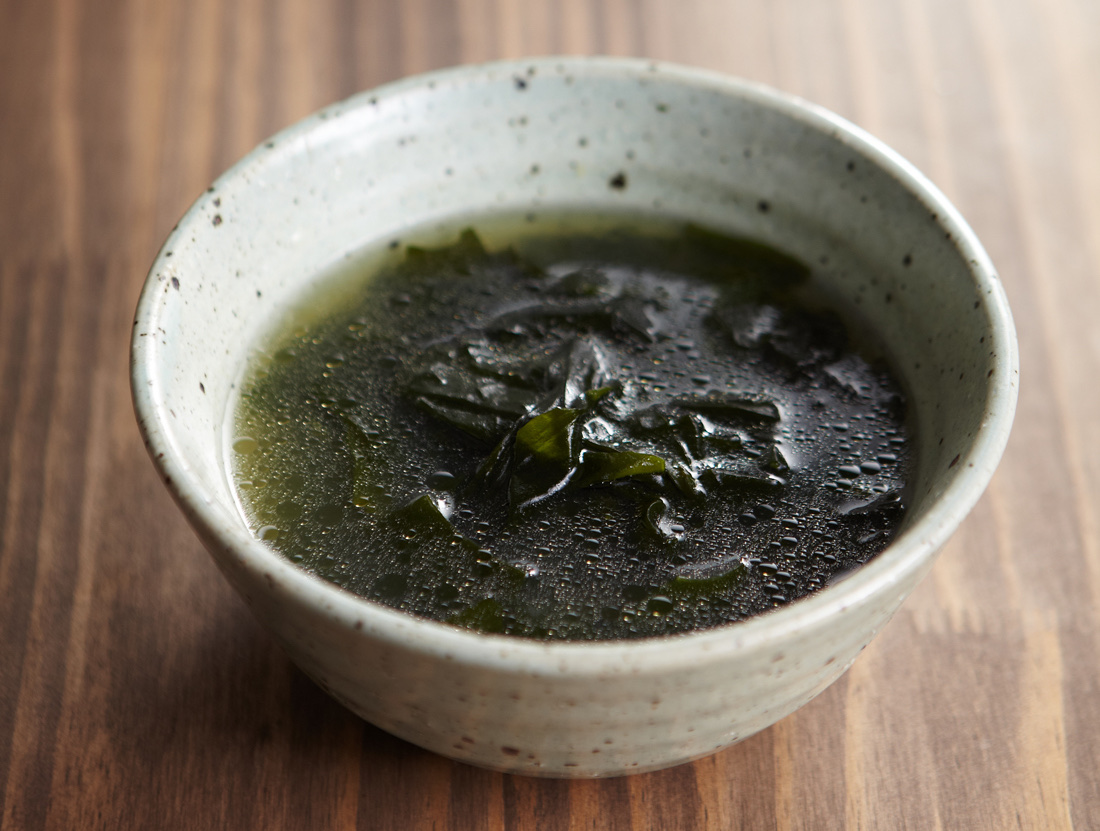
Food carries the same kind of coded meaning. Miyeok-guk, the seaweed soup, is what Koreans eat on their birthday — and pointedly avoid before an exam.
FAQ
What does oppa mean in Korean? Oppa (오빠) is what a female speaker calls an older male she’s close to — an older brother, older friend, boyfriend, or favorite male idol. It literally means “a girl’s older brother,” but it’s used far beyond family and carries a warm, sometimes flirty, tone.
Can a guy call another guy oppa? No. A man calls an older male hyeong (형), not oppa. Oppa is used only by female speakers. Getting this backwards is the single most common learner mistake.
What’s the difference between unnie and noona? Both mean an older female you’re close to — the difference is the speaker’s gender. A woman says unnie (언니); a man says noona (누나). Same older woman, different word depending on who’s talking.
Why do people call the restaurant lady “imo”? Imo (이모) literally means “maternal aunt,” but it’s used affectionately for a middle-aged woman working at a casual restaurant — it makes the exchange feel like family. If she’s closer to your age, use unnie; if you’re unsure of anyone’s role, sajangnim (사장님), “boss/owner,” is always polite and never wrong.
Is calling someone oppa flirty? It can be — but it’s the tone, not the word. Said flatly, oppa is neutral and friendly. Said softly and drawn-out, the same word reads as romantic. That tonal flip is exactly why K-dramas make such a big deal of it.
Loved the tone breakdown? That’s the whole vibe of @seoulreactions on Instagram — follow for daily Korean you’ll actually use, one addictive clip at a time.
Planning Your Korea Trip? Don't Pay Full Price! ✨
Save $20–$50 per person with our verified reader perks & skip the long ticket booth queues:
AREX Incheon ↔ Seoul Express
Non-stop 43-min direct train with guaranteed reserved seats & free Wi-Fi. Scan your mobile QR straight at the gate!
Get 20% Off AREX Ticket →Korea Unlimited 5G eSIM
Skip the 30-min airport counter line. Scan the QR code to connect instantly for smooth Naver Maps navigation.
Get Instant eSIM QR (From $2.80) →WOWPASS Card (Pay + T-Money)
Pay anywhere in Korea with zero FX fees + subway card. Use code KOREAEASY for 0.5% cash top-up bonus!
Top Seoul Passes & Day Tours
Guaranteed entry for Lotte World, Nami Island tours, CIMER Spa, and Hanbok palace rentals with instant mobile vouchers.
Browse Top Seoul Deals →Sources
- https://www.90daykorean.com/korean-honorifics/
- https://www.koreanclass101.com/korean-honorifics/
- https://en.wikipedia.org/wiki/Korean_honorifics
Search-trend data from Google Trends (KR) and Naver DataLab. This article is independent commentary and is not affiliated with any broadcaster, agency, or the individuals mentioned.

Korea Duty-Free Shopping Guide 2026: Airport vs Downtown Duty-Free vs Instant Tax Refund
Korean Cafe Etiquette 2026: The 1-Drink-Per-Person Rule, 2-Hour Laptop Limits & Rooftop Secrets in Seoul