Travel
Chuseok 2026 in Korea: What's Open, What's Closed, and How to Beat the Travel Crush
The payoff Walking out into an eerily shuttered Seoul with every restaurant dark and no idea what's going on → knowing the exact morning seats go on sale, and moving through the Sept 24–26 crush like a local — into royal palaces for free while everyone else sits in traffic.
📈 Trend signal: Chuseok 2026 traveler planning demand
Heads up: some links below are affiliate links. If you book through them, I may earn a small commission at no extra cost to you. I only point to services I’d actually use myself to get around Korea during a holiday crunch.
I’ve been in Seoul during Chuseok, and the first time nobody warned me. I walked out expecting the usual buzz and found my favorite restaurant dark, the bakery shuttered, and the neighborhood eerily quiet — like the whole city had left. It basically had. But here’s the twist nobody tells you: Chuseok can be one of the best windows to travel in Korea if you know what actually happens.
This guide is the thing I wish I’d had that morning: exactly what closes, what stays open (the palaces go free), and the two bookings you must lock in weeks ahead so a national holiday doesn’t cost you a wasted day, a stranded afternoon, or triple the hotel rate. Get those right and Chuseok flips from a trap into one of the calmest, most beautiful times to be here.
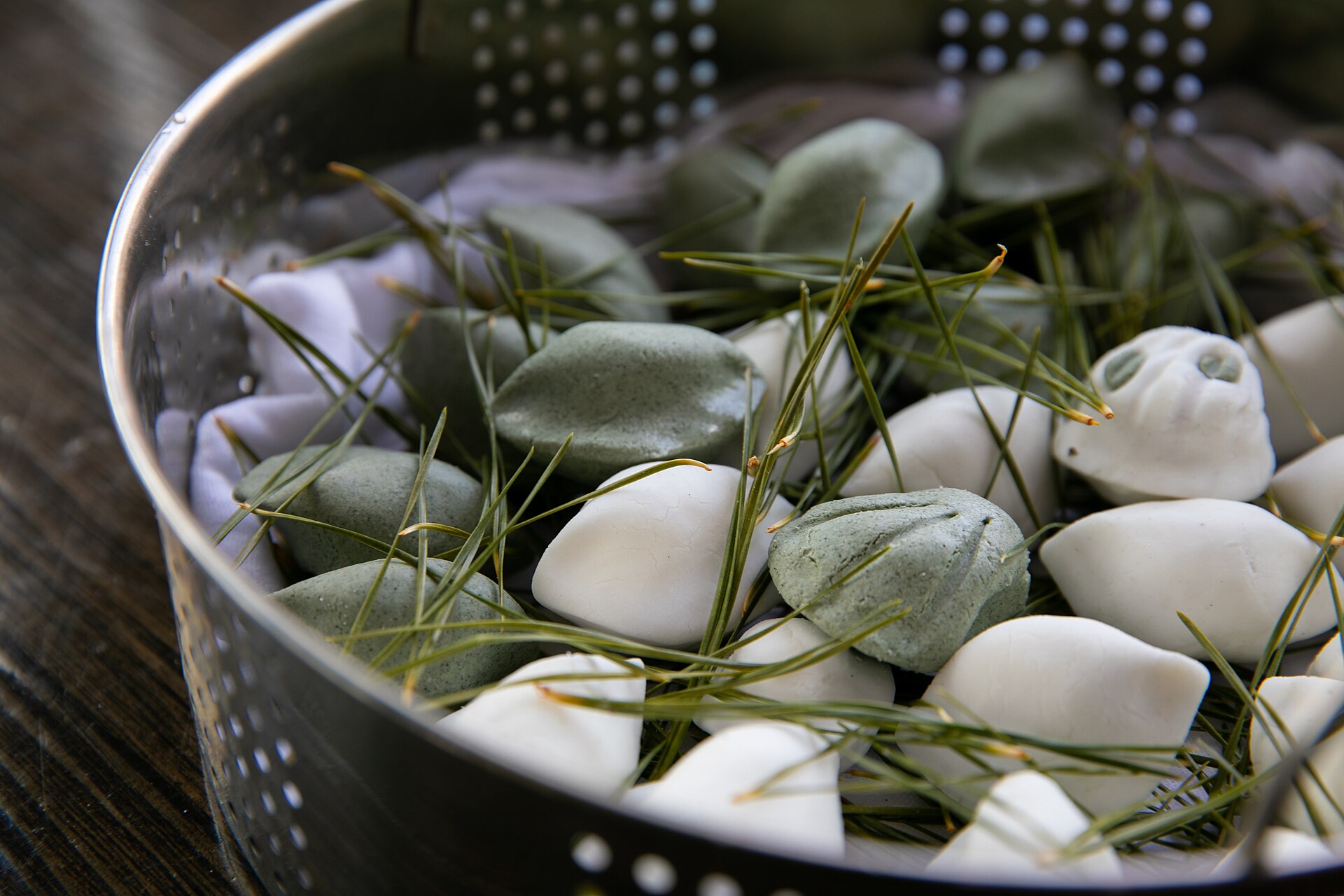
Freshly steamed songpyeon (half-moon rice cakes). Photo: Korea.net / Kim Sunjoo via Wikimedia Commons, CC BY-SA 2.0.
Travelling just after Chuseok? October is the month Korea shows off — and 2026 has two more long weekends built into it. Here’s the month, week by week.
What & when is Chuseok 2026?
Chuseok (추석) is Korea’s harvest festival — often called “Korean Thanksgiving” — when families return to their hometowns to honor ancestors, share food, and reset. It follows the lunar calendar, so the date moves every year.
If you want to feel what the holiday means before you plan around it, this official explainer from Korea.net — the Republic of Korea’s government site — walks through the ancestral rites, the hanbok, and the food-laden table that sit at the heart of Chuseok. It’s the emotional context most “what’s open” lists skip.
Video: “Chuseok, Korean Thanksgiving Day” — Korea.net official YouTube channel (Republic of Korea government). Embedded, not reposted.
For 2026, Chuseok day itself falls on Friday, September 25. The official public holiday runs Thursday, September 24 through Saturday, September 26 (timeanddate, PublicHolidays.co.kr).
Here’s the part that catches people out, and I want to be blunt about it because I got it wrong myself at first: there is no substitute holiday this year. Korea’s make-up-day rule covers Chuseok when the holiday collides with a Sunday — not a Saturday. The 26th is a Saturday, so nothing is added, and Monday, September 28 is an ordinary working day. Korean coverage of the 2026 calendar says so flatly — one national daily ran the reminder under the headline “September 28 is a work day.”
That matters for your planning in a very practical way. Plenty of English-language guides copied last year’s structure, where a substitute Monday did apply, and they’ll tell you to expect a five-day national shutdown. This year it’s Thursday through Saturday, with Sunday attached — a four-day weekend. Offices reopen Monday, so anything you need from a bank, an immigration office or a clinic is available again on the 28th rather than the 29th.
If that seems arbitrary, it is — and it confuses Koreans too, so here’s the rule in plain terms. Korea treats two kinds of holiday differently. National days like National Foundation Day get a make-up Monday whenever they land on either a Saturday or a Sunday. Chuseok and Lunar New Year only get one when a holiday day lands on a Sunday. Same calendar, different rule.
You can watch it play out inside this same autumn. National Foundation Day falls on Saturday, October 3 — and Korea does add Monday, October 5. Chuseok’s last day falls on Saturday, September 26 — and Korea adds nothing. If you’re building a trip around Korean days off, that one distinction moves your dates by a full day in one direction and not the other. (The whole autumn holiday map is in our October in Korea guide.)
Translation for you as a traveler: this still isn’t a quiet long weekend — it’s a nationwide migration — but it’s one day shorter than the internet will tell you. Plan around it and you’ll be fine, even delighted. Wing it and you’ll spend day one hungry and confused.
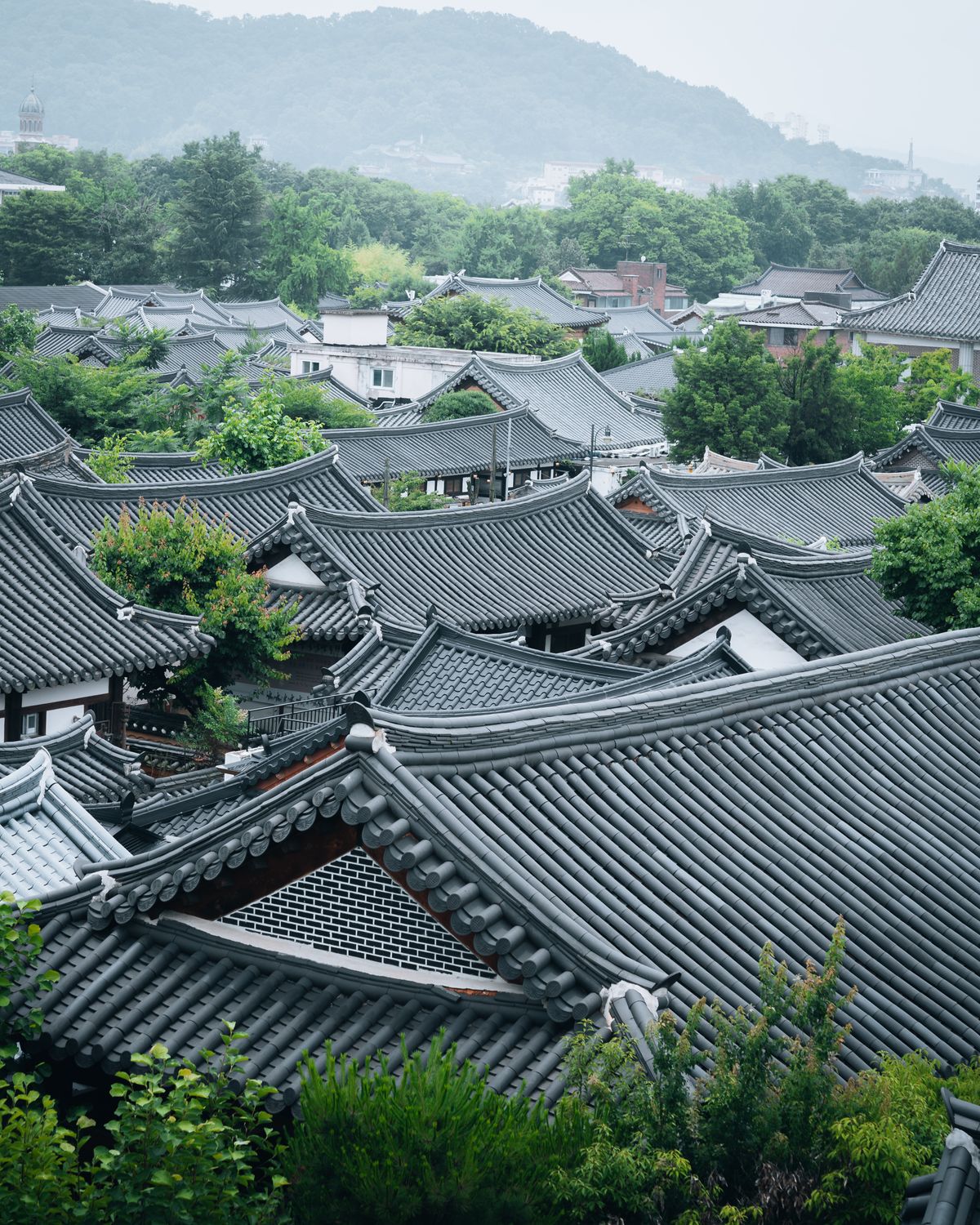
The open vs closed table
Here’s the honest cheat sheet I wish someone had handed me. Statuses reflect the holiday itself (Sept 24–26) plus the Sunday; by Monday the 28th the country is back at work and most of this reverts to normal.
| Category | Status during Chuseok | Notes / tips |
|---|---|---|
| Royal palaces & shrines | Open + FREE | Gyeongbokgung, Changdeokgung, Deoksugung, Changgyeonggung, Jongmyo Shrine and the royal tombs all waive admission (VisitKorea). |
| National museums | Mostly open | Big state-run museums usually open with special programming; smaller/private ones may cut hours or close a day. |
| Big attractions (Lotte World, Everland, N Seoul Tower) | Open | Fully operational all holiday — and often busy with local families. Pre-book to skip lines. |
| Department stores & malls | Mostly closed | Typically shut on the core holiday days; some reopen Sept 27–28. Don’t count on them. |
| Independent restaurants | Many closed | Family-run spots close so owners can travel. Hit-or-miss, especially outside tourist zones. |
| Traditional markets | Closed 1+ days | Expect at least one shutdown day; verify before trekking out. |
| Convenience stores (CU, GS25, 7‑Eleven) | Open 24/7 | Your reliable lifeline for food, SIM top-ups, cash, and hot meals. |
| Banks | Closed | Closed the whole holiday. ATMs and convenience-store cash machines still work. |
| Subway & city buses | Running | Operate on holiday schedules — slightly reduced frequency, but running normally. |
| KTX / intercity buses | Running but SOLD OUT | Book weeks ahead; seats vanish the day they release. |
The date that actually decides your Chuseok trip
If you take one thing from this page, take this: holiday train tickets go on sale to the general public from 7:00 a.m. on Monday, September 7, and the sale runs through Friday, September 11. Korail published the official notice on August 13. Almost every English-language Chuseok guide tells you to “book early” without ever saying when booking opens, which is why so many visitors discover the problem in late September, when there is nothing left to book.
The specifics, because they decide whether you get a seat:
| When | Who | |
|---|---|---|
| Advance sale | Sept 3–4, 09:00–15:00 | Reserved for passengers with reduced mobility. Sept 3 covers the Gyeongbu/Gyeongjeon/Donghae side; Sept 4 covers Honam/Jeolla/Jungang/Gangneung and the rest. |
| General sale | Sept 7–11, 07:00–13:00 | Everyone. Five days this year, up from three. |
| Trains covered | Sept 23–27 departures | The holiday block, including the day before. |
| Payment deadline | Sept 15 (general), Sept 18 (advance) | Miss it and your seat is released. |
And here’s the change that will strand people who follow an old guide: KTX and SRT merged. Since early August the two networks sell through a single app, Korail Plus (코레일+), and from September 1 they run as one integrated service — which means every train in the Chuseok block is booked in one place. Holiday tickets are sold only through Korail Plus and the dedicated holiday page on Korail’s website. If you have an old SRT-only account, note that Korail accounts converted automatically but SRT-only members must convert manually before they can book; leaving it until the morning of the sale is how people lose their seat. Set the app up and log in successfully at least a day early. The full breakdown of what the merger changes — new fares, renamed trains, and the account trap — is worth five minutes before you book.
Two more things worth knowing:
- Cancellations reappear right after the payment deadline. Unpaid reservations are released in a batch once the September 15 cutoff passes, so if you strike out on the 7th, the days around the 15th–16th are your realistic second chance — a far better use of your time than refreshing at random.
- Buses are the fallback, not the plan. Intercity buses release seats on their own schedule and sell out later than trains, but they sit in the same holiday traffic that turns a four-hour drive into eight.
One structural piece of good news: the merger adds about 116,000 extra seats a week from 1 September and cuts average fares by roughly 10%, so the Seoul–Busan and Seoul–Ulsan corridors are marginally less brutal than in past years. Marginally. Set the alarm anyway.
Getting around: the transport crush is real
This trips up every first-timer. When millions leave the cities for their hometowns at once, KTX trains and express buses sell out almost instantly — Chuseok tickets typically release about a month ahead and get snapped up in minutes. Planning a Seoul-to-Busan hop during the holiday? Do not assume you’ll grab a same-day seat. You won’t.
My advice: either lock your intercity travel in the moment tickets release, or — honestly — don’t move during the peak days. Base yourself in one city, because within Seoul the subway keeps humming on a holiday schedule and you’ll barely feel the exodus. If anything, the city gets calmer and easier to explore.
I’m not the only one who’s noticed this. A traveler on r/koreatravel who happened to be in Busan during Chuseok wrote that they “rarely felt like I was in heavy foot traffic in Seoul or Busan… & the metro was always quiet with available seats” — the exact opposite of the gridlock everyone fears. When the locals head to their hometowns, the tourist core empties out. That’s the window you want.
Accommodation is the other pinch point. Hotels in Seoul and Busan fill up, and prices climb, so book early. I use Booking for holiday stays because free-cancellation rooms let me hold a backup while I finalize plans.
👉 Find Chuseok accommodation on Booking.com — grab a free-cancellation room now before the good ones go.
Not sure which neighborhood to base yourself in? My where to stay in Seoul guide breaks it down by traveler type, and if you’re weighing a side trip, the Busan 3-day itinerary works even better when the city’s a little quieter.
What to actually do during Chuseok
Here’s the good news that flips this whole holiday in your favor: the royal palaces open their gates for free. All four grand palaces — Gyeongbokgung, Changdeokgung, Deoksugung, Changgyeonggung — plus Jongmyo Shrine and the Joseon royal tombs waive admission during Chuseok (Korea.net). Jongmyo, which normally needs a timed reservation, often opens freely during the holiday.
And it’s not just free entry — it’s more to see. Gyeongbokgung runs its royal guard-changing ceremony (10 a.m. and 2 p.m.) and a guard patrol at 3 p.m., no reservation needed. The palaces host the Royal Culture Festival with traditional food, crafts, hanbok, and live court performances. Changdeokgung’s Moonlight Tour (reservation required) is the kind of thing you’ll be smug about later. Wear a hanbok and, festival or not, you’d get in free anyway — a fun excuse for photos.
For the big-ticket, guaranteed-open experiences — theme parks, guided tours, Nami Island, DMZ trips — I pre-book so a “closed today” sign can’t wreck my morning.
👉 Book Chuseok-proof tours and day trips on Klook — reserve palaces tours, theme parks, and day trips that stay open through the holiday.
One practical note before you go anywhere: keep your phone connected. If your restaurant’s closed and you need to reroute on the fly, mobile data is everything — see our Korea eSIM guide for the plan to activate before you land.
Food: what’s open, and try songpyeon
Yes, a lot of independent restaurants close. But you will not starve — I promise. Convenience stores stay open 24/7 with surprisingly solid hot food, big tourist-district chains keep serving, and hotel restaurants run normally. Fast-food and franchise cafés (think Starbucks, Lotteria) largely stay open too.
The thing to seek out is songpyeon (송편) — chewy half-moon rice cakes stuffed with sesame, sweet bean, or chestnut, steamed over a bed of pine needles that leaves them faintly, unforgettably fragrant. They’re the taste of Chuseok, folded by hand the night before the holiday (Korean grandmothers swear the prettier your songpyeon, the prettier your future children), and sold at bakeries and markets in the run-up. This is the part foreigners fall hardest for: scroll r/KoreanFood around the holiday and you’ll find expats and second-gen Koreans abroad recreating the whole spread — galbijjim, jeon, japchae, tteokguk — just to taste home. One poster summed up the appeal simply: they’d “celebrated Korea’s Chuseok by enjoying traditional holiday foods.” Also hunt down jeon (savory pan-fried pancakes, sizzling at market stalls) and japchae. If you can wrangle an invite to a Korean family’s table, take it — but a market tray of warm songpyeon is the delicious version for the rest of us. Prices run a bit high right before the holiday; my Seoul cost-of-living guide has the everyday baselines.
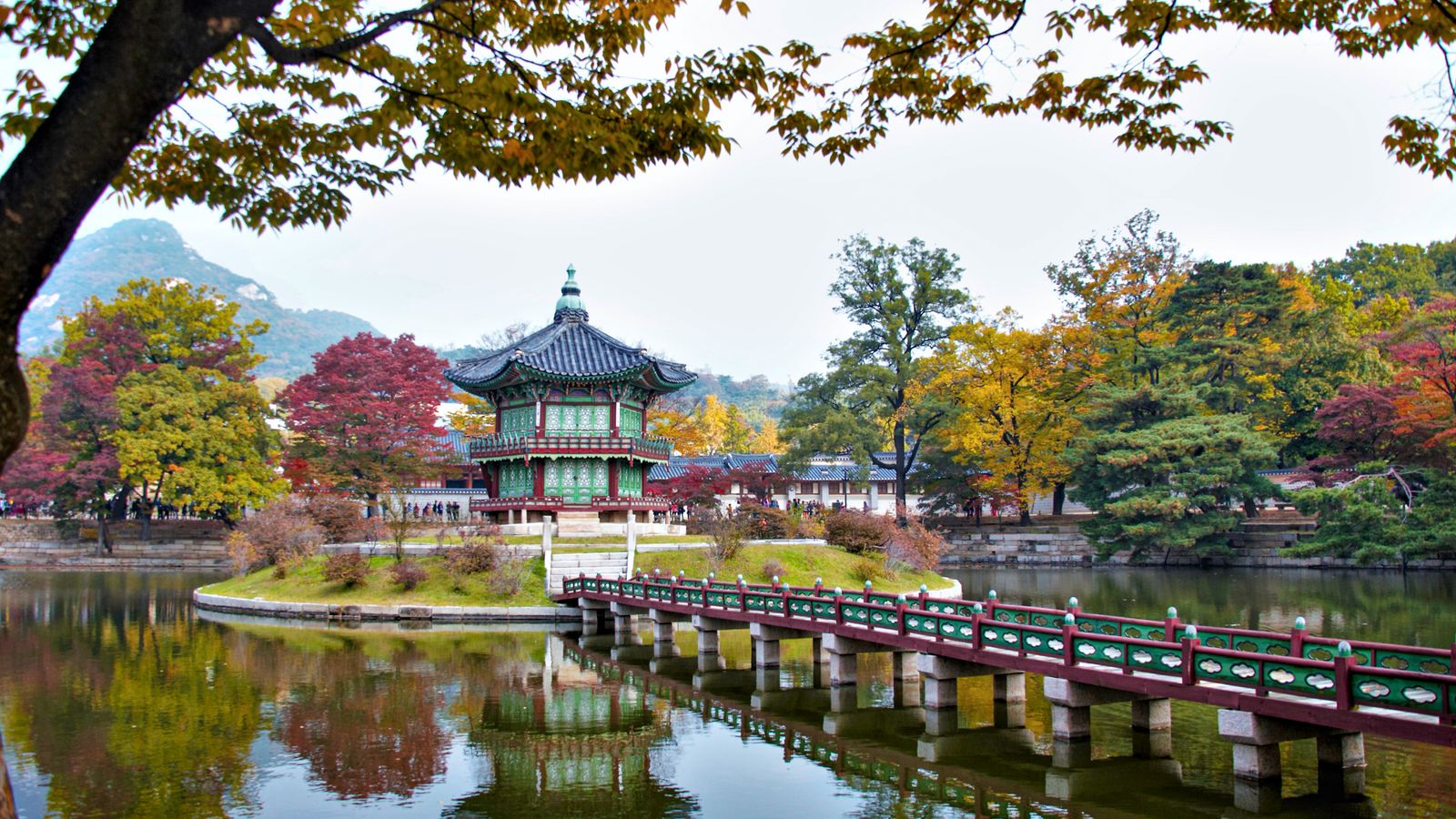
A classic indoor relaxation activity during bad weather is visiting a traditional bathhouse; read our foreigner guide to Korean jjimjilbang etiquette.
FAQ
Should I avoid traveling to Korea during Chuseok? No — but adjust your strategy. Avoid intercity travel on the peak days (Sept 24–25 and the return on Sept 27–28), when trains sell out and highways clog. Staying put in one city, especially Seoul, is genuinely pleasant: fewer crowds at the big sights and free palace entry. Just book your hotel and any KTX seats far in advance.
Are the palaces really free during Chuseok? Yes. Korea’s four main royal palaces, Jongmyo Shrine, and the royal tombs offer free admission across the Chuseok holiday, usually with bonus performances and festival programming (VisitKorea). It’s one of the best free cultural windows in the entire Korean calendar.
Will everything be closed? Not everything — just don’t rely on small independent shops, local markets, department stores, or banks on the core days. Convenience stores, big attractions, major museums, chain cafés, public transit, and the palaces all keep running. Plan your meals and must-sees around the table above and you’ll cruise through it.
Chuseok looks intimidating from the outside, but once you know the rhythm it’s one of my favorite times to be in Korea: quiet streets, free palaces, and a city exhaling. Lock in your stay and any long-distance seats early, lean on convenience stores and pre-booked attractions, and let the holiday work for you.
👉 Reserve your open-during-Chuseok tours on Klook before the good time slots fill up.
Planning Your Korea Trip? Compare Your Options
Compare transport, mobile data, and attraction options. Prices and eligibility depend on your selected date and package.
AREX Incheon ↔ Seoul Express
Express train between Incheon Airport and Seoul Station. Follow the selected voucher’s seat reservation and redemption instructions.
Check AREX Express Tickets →Korea eSIM Options
Compare Korea eSIM search results. Check data allowance, supported network, device compatibility, activation, and speed limits.
Compare Korea eSIM Options →WOWPASS Card (Pay + T-Money)
Compare WOWPASS and T-money. Payment and transit balances are separate; check issuance, top-up, exchange, and withdrawal fees.
Read WOWPASS vs T-money →Top Seoul Passes & Day Tours
Browse general Seoul activity search results. This is not a guaranteed-entry pass or a fixed-discount offer; check each product’s inclusions.
Browse Seoul Activity Options →Sources
- https://www.timeanddate.com/holidays/south-korea/2026
- https://publicholidays.co.kr/chuseok/
- https://english.visitkorea.or.kr/svc/contents/contentsView.do?vcontsId=248067
- https://www.korea.net/NewsFocus/FoodTravel/view?articleId=258260
- https://daily.hankooki.com/news/articleView.html?idxno=1396294
- https://www.segye.com/newsView/20260816501324
Search-trend data from Google Trends (KR) and Naver DataLab. This article is independent commentary and is not affiliated with any broadcaster, agency, or the individuals mentioned.