Travel
Korea Autumn Foliage 2026: Peak Dates, Best Day Trips from Seoul & Booking Guide
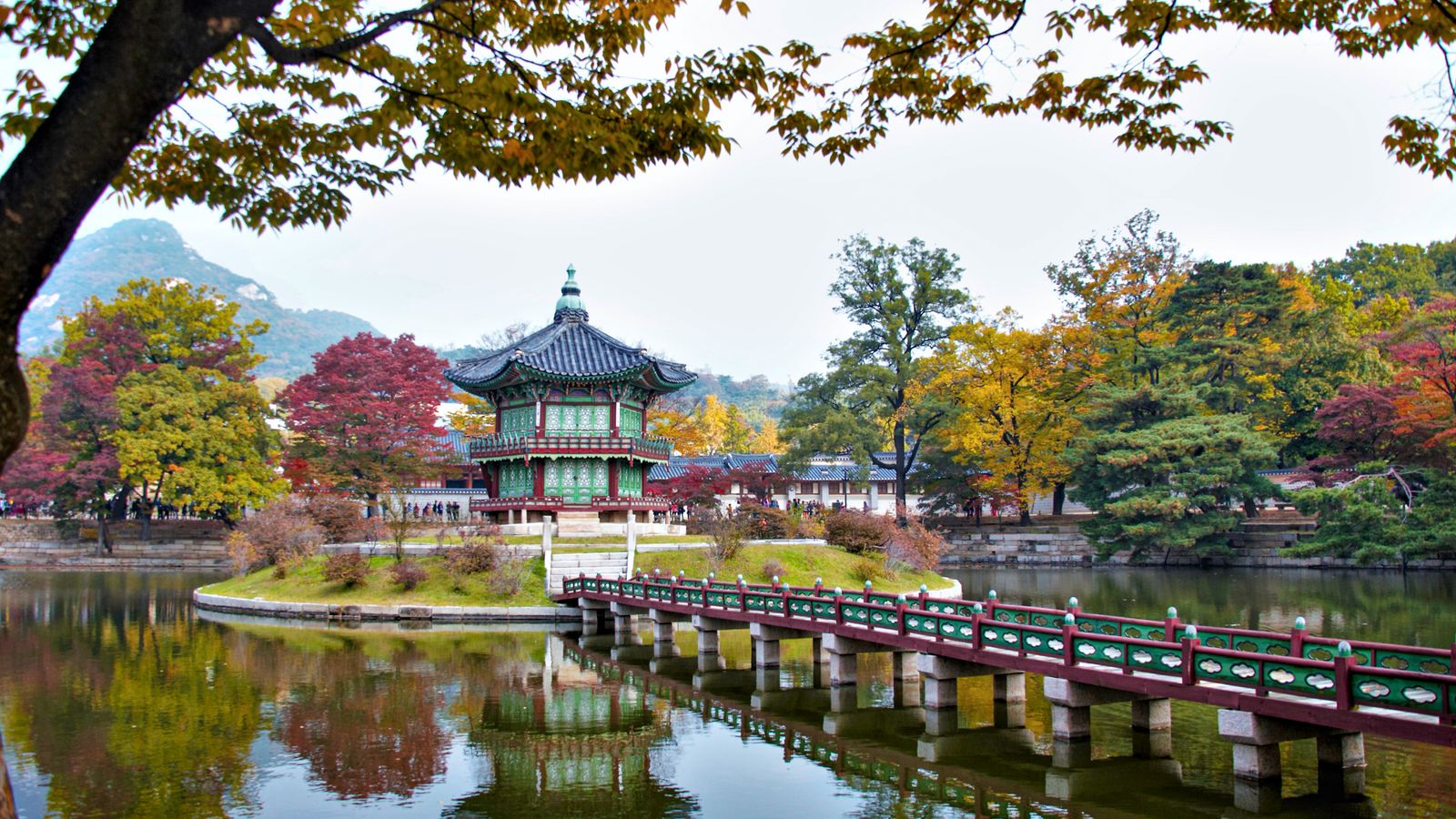
The payoff Turning a vague autumn trip into a date-first plan: a clearly labelled 2026 estimate, a region-by-region fallback, and booking actions that still work if the leaves move.
📈 Trend signal: Korea autumn foliage 2026 planning demand
This guide contains affiliate links — if you book through them we may earn a small commission at no extra cost to you.
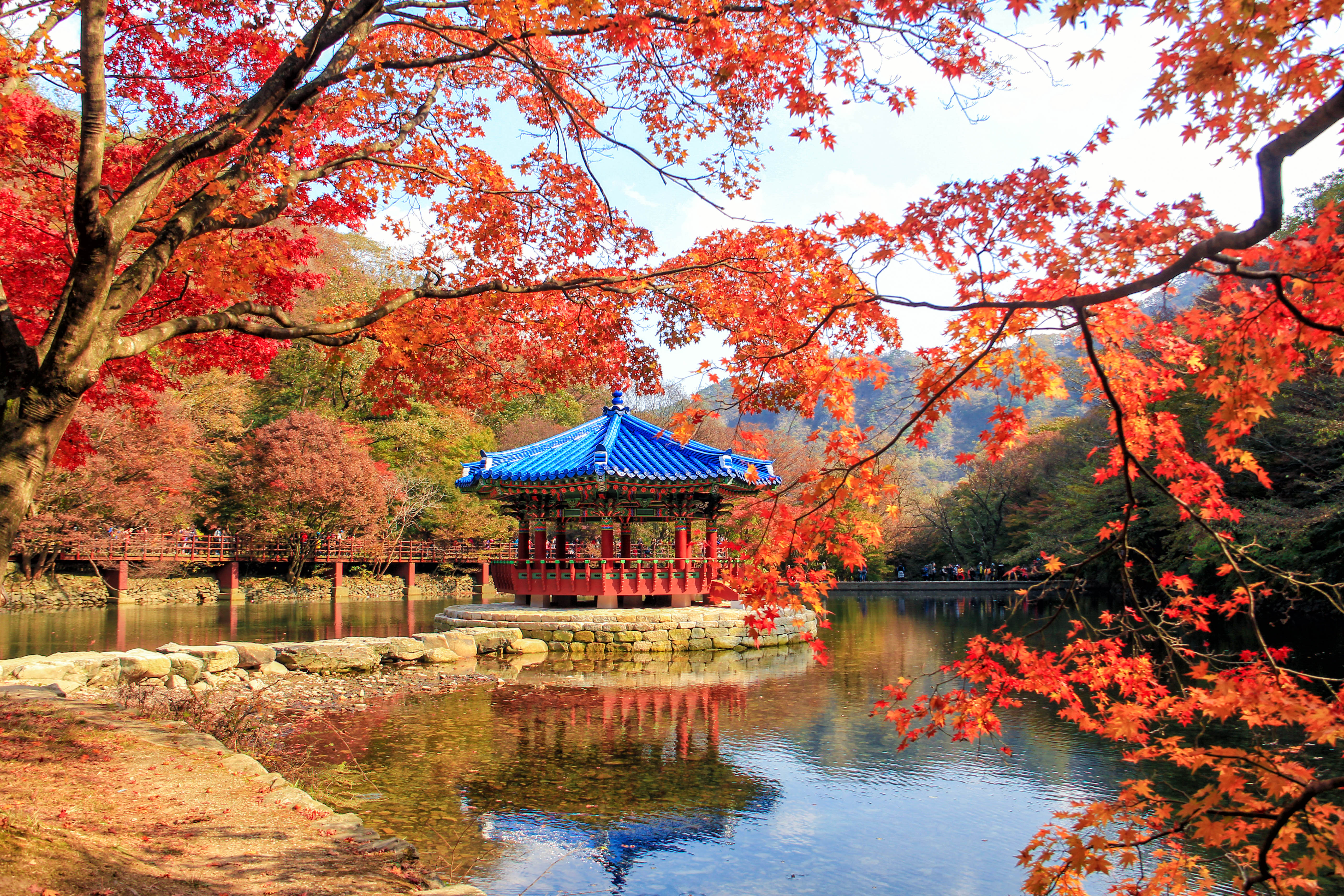
Uhwajeong pavilion, Naejangsan National Park. Photo by Tung Thanh Dang via Wikimedia Commons, CC BY-SA 3.0.
Summer in Korea is hot, humid, and monsoon-prone; winter is genuinely cold; spring is lovely but brief. Autumn is when the country shows off. From late September in the far northern peaks through mid-November on the southern coast, Korea’s mountains and palace gardens turn into a blazing patchwork of crimson maples and golden ginkgoes.
The country is roughly 70% mountainous, so foliage here isn’t a roadside bonus; it’s the main event. Ancient palaces frame themselves in yellow ginkgo, temple courtyards glow under maples, and national parks go full technicolor. It’s festival season too — street food stalls, night illuminations, and lively energy everywhere. If you’re visiting national parks, the National Park Service hands out a free stamp-collecting passport at visitor centres — it earns you a commemorative medal at ten parks and local discounts near trailheads.
One key date to put in your calendar before leaves turn: the Seoul fireworks festival lands on 5 September this year, a month earlier than usual — if your trip begins early, that’s the biggest free evening show of the year.
The honest 2026 timing guide
The golden rule of Korean autumn is timing. A week early and mountains are green; a week late and branches are bare. On September 22, 2026, the Korea Forest Service (산림청) released its official 2026 Korean Peninsula Autumn Foliage Peak Prediction Map (announcement report via Dailian). Under official metrics, “peak” (jeoljeong, 절정) is reached when approximately 50% of the mountain’s canopy has turned.
Coloring starts in early October in northern Gangwon, with the nationwide peak unfolding in late October. By species, the Forest Service projects peak color for ginkgo trees on October 30, and broadleaf maples and oaks on October 31. Another critical date: the Chuseok holiday falls Sept 24–26 this year (no substitute Monday), right as northern ridges turn. If your dates overlap, read our Chuseok travel survival guide first; nationwide train ticket bookings open in early September and intercity transport books up quickly.
| Destination | Official 2026 peak / planning window | Why go | Book-ahead urgency |
|---|---|---|---|
| Seoraksan (Gangwon) | October 20 (official peak; coloring from early Oct) | Korea’s premier alpine park; jagged granite ridgelines | 🔴 High — Sokcho fills quickly |
| Songnisan (Chungbuk) | October 28 (official peak) | Dense forested valleys and ancient Beopjusa Temple | 🟡 Moderate — central bus hub |
| Nami Island (Gapyeong) | Around Oct 25 – Nov 1 | Iconic tree-lined lanes, effortless Seoul day trip | 🟠 High — weekend shuttles fill |
| Seoul palaces & Bukhansan | Around Oct 28 – Nov 3 (ginkgo peak Oct 30) | Ginkgo-gold palaces, city-edge granite hiking trails | 🟡 Moderate — reserve central hotels early |
| Naejangsan (Jeolla) | November 4 (official peak) | The famous red maple tunnel; breathtaking late-season finale | 🔴 High — small town hotel shortage |
| Hallasan (Jeju) | November 6 (official peak) | Volcanic slopes, crater views, late-season island color | 🟡 Moderate — flights & cars fill |
| Gyeongju (Gyeongsang) | Around Nov 1–7 | Ancient Silla tumuli and temples framed by scarlet maples | 🟡 Moderate — historic hanoks book quickly |
The pattern to internalize: early trip = go north (Seoraksan), late trip = go south (Naejangsan/Gyeongju), and the last week of October is the sweet spot when Nami, Seoul, and the central belt peak simultaneously.
Two things this timing pattern quietly reveals: First, the final week of October is the only window where several major destinations peak together — making it the most rewarding yet competitive week to travel. Second, if your flights are locked in early October, chasing valley foliage will disappoint you; focus instead on palaces, food, and the crisp autumn weather (what October in Korea is actually like).
The spots I’d build a trip around
Seoraksan is the mountain I’d never skip. It’s the first mainland park to turn and the most dramatic, with steep granite spires framed by crimson maples. Our detailed Seoraksan autumn foliage guide covers trail options by elevation and express bus timetables. Base yourself in Sokcho, a coastal seafood town 20 minutes from the park gate; express buses from Seoul arrive in about 2.5 hours. If you want to bypass intercity bus transfers, compare organized Seoraksan day trips from Seoul on Klook.
👉 Lock in dates early: Search Sokcho hotels for Seoraksan on Booking.com — gateway rooms fill first.
Nami Island is the classic postcard — straight avenues of towering yellow ginkgoes and metasequoias. It’s a convenient day excursion from Seoul: the ITX-Cheongchun train to Gapyeong takes 70 minutes, followed by a quick taxi and a 5-minute ferry crossing. You can leave Seoul after breakfast and wander tree-lined lanes by late morning. Because of its popularity, day tours that combine Nami with Petite France or the Garden of Morning Calm sell out every weekend.
👉 Before deciding on transport, read our Nami Island tour vs DIY price breakdown to compare DIY train tickets against guided shuttles. For direct bus pickups, compare Nami Island day trip options on Klook.
Seoul itself is underrated for autumn. You don’t need to leave the capital to experience vivid color: Gyeongbokgung and Changgyeonggung glow beneath centuries-old ginkgoes, Deoksugung’s stone-wall path turns vibrant gold, and Bukhansan offers rugged mountain hiking right at the end of the subway line. Late October into early November is the peak window here.
👉 Compare central Seoul hotels on Booking.com within walking distance of the royal palaces. (If you’re deciding on an area, our where to stay in Seoul guide compares Myeongdong, Hongdae, and Jongno.)
Gyeongju and Naejangsan are ideal for November itineraries. Gyeongju — ancient capital of the Silla Kingdom — pairs thousand-year-old royal burial mounds and Bulguksa Temple with deep red maples. Naejangsan provides the spectacular finale: its famous maple tunnel is widely considered Korea’s most photogenic foliage scene.
The Korean-language VisitKorea route notes highlight a useful planning figure: the “Five-Color Autumn Road” course in Naejangsan covers 8.4 km (noted as roughly 9 km in course summaries) from Bujeon Samgeori in Jeongeup to the Naejangsa Temple information center. That distance helps you decide whether a scenic drive, local taxi, or walking tour suits your itinerary. If traveling in early November, search Gyeongju accommodation on Booking.com early.
If you’re heading south toward Gyeongju and Naejangsan, it’s easy to add a coastal finish — check our Busan 3-day itinerary for route planning.
💡 Autumn Foliage Day Tours & Transit Passes (Early-Bird Warning)
Autumn weekends sell out fast as domestic travelers compete for seats. Here are verified direct booking shortcuts:
- Nami Island day trips from Seoul: Compare Nami Island tour options on Klook. Check your date, pickup location, inclusions and cancellation terms on the listing before booking.
- Seoraksan day trips from Seoul: Compare Seoraksan tour options on Klook. Check your date, pickup location, inclusions and cancellation terms on the listing before booking.
- Korea Unlimited 5G eSIM: Don’t lose GPS signal on mountain hiking trails — grab a Korea 5G eSIM QR before you fly.
- All Reader Discounts: Check out our Korea Travel Pocket Perks Hub for discounted AREX and airport limousine vouchers.
How to book before it sells out
Korea’s peak foliage window in any given valley lasts only 7–10 days. Because domestic autumn travel demand is immense, small gateway towns like Sokcho (for Seoraksan) or the villages around Naejangsan face severe accommodation shortages by late summer.
My rules for securing your trip:
- Book accommodation first, itinerary second. Seoul has plenty of hotel capacity; small mountain towns do not. If Seoraksan or Naejangsan is on your wish list, secure your room before finalizing day-by-day sightseeing.
- Choose free-cancellation rates. The Korea Forest Service official forecast is now published (Seoraksan Oct 20, Naejangsan Nov 4). Hold a cancellable room on Booking.com to keep your itinerary flexible against localized weather shifts.
- Reserve day tours and express transit early. Nami Island shuttles and Seoraksan day buses cap passenger capacity and sell out every weekend in October.
- Target midweek if your schedule allows. Visiting Seoraksan or Nami on a Tuesday, Wednesday, or Thursday gives you identical crimson foliage with far smaller crowds, shorter cable car lines, and lower room rates.
👉 Hold a refundable room: Sokcho, for Seoraksan around October 20, or Gyeongju, for the November leg.
What to pack & practical notes
Autumn days in Korea are crisp and comfortable, but mountain mornings and coastal evenings dip toward freezing. Layering is essential: pack a thermal base layer, a warm fleece or sweater, a windproof shell jacket, and sturdy shoes with reliable traction for rocky granite steps. Carry some Korean Won cash for mountain food stalls and traditional market vendors that do not process foreign credit cards.
You will be checking train schedules, trail maps, and weather updates constantly, so arrange mobile data before departing. An eSIM is the simplest option — see our Korea eSIM comparison guide for recommended plans. For intercity travel, KTX trains and premium express buses are punctual and comfortable; reserve weekend tickets well in advance. If you prefer the flexibility of driving into remote national park valleys on your own schedule, consult our Korea rental car, IDP, and gas station guide before you go.
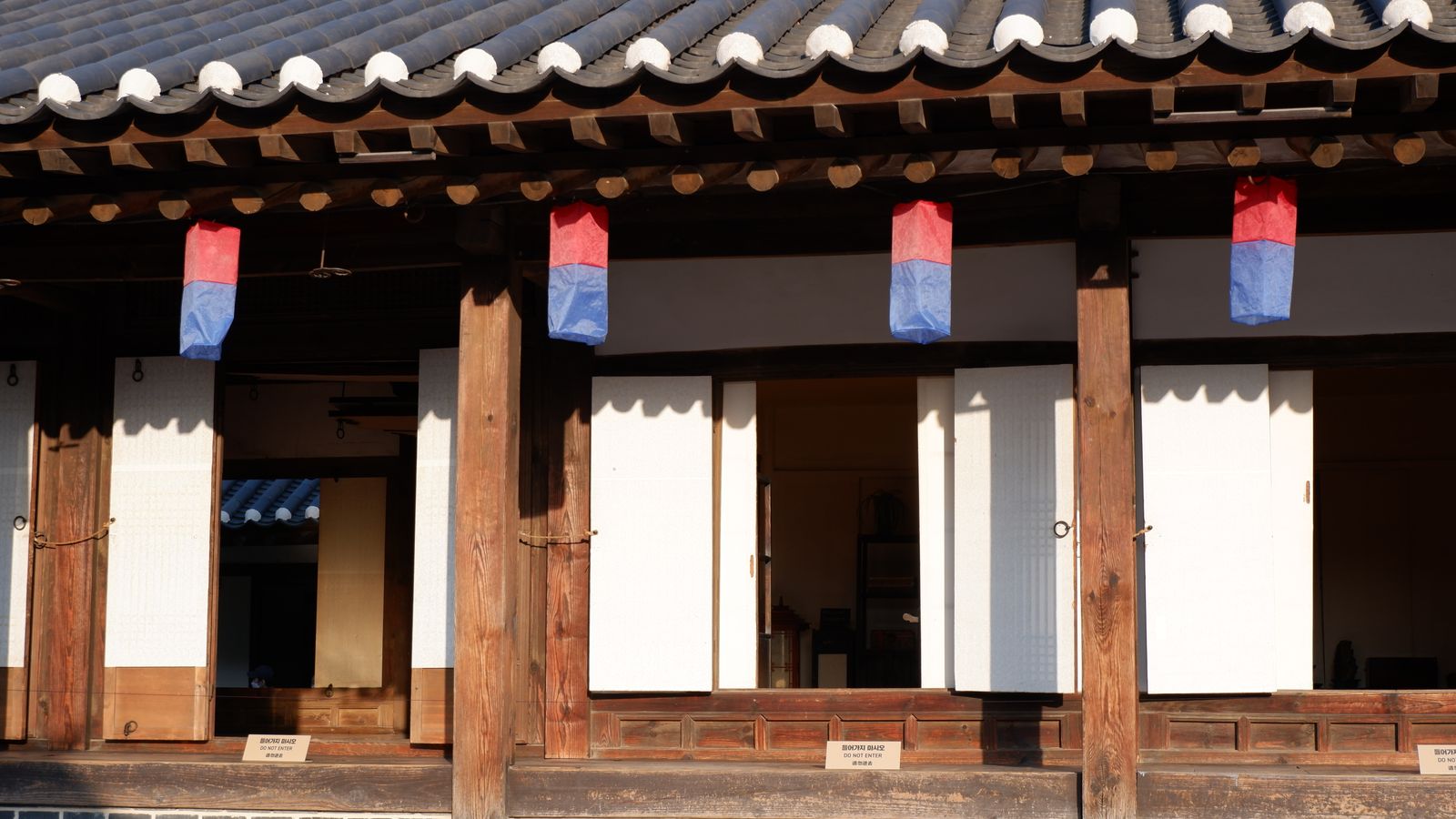
Riverside evening breezes drop significantly after sunset in early autumn; check recommended evening layers in our Seoul autumn weather and packing guide.
FAQ
What is the single best week for Korea’s 2026 fall colors? For a one-week trip capturing the widest variety of foliage, aim for the last week of October into the first days of November (roughly Oct 25 – Nov 3). That window typically sees Nami Island, Seoul’s royal palaces, and the central belt peaking simultaneously, with Gyeongju and Naejangsan peaking right after. For alpine color at Seoraksan, target around Oct 18–25 (the official Korea Forest Service peak date is October 20).
Is Seoraksan possible as a day trip from Seoul? Yes. An organized tour shuttle or an early express bus from Dong Seoul Terminal makes a day trip doable in about 2.5 hours each way. However, peak autumn weekends create major highway congestion returning to Seoul, so check the bus timetable in advance or stay overnight in Sokcho to enjoy the park unhurried.
How crowded does foliage season get in Korea? Peak autumn weekends at Seoraksan, Nami Island, and Naejangsan are among the busiest domestic travel periods of the year. To minimize crowds, visit on a Tuesday through Thursday, enter national parks before 8:00 a.m., and book transit tickets well in advance.
What if unseasonable weather delays the foliage? Because color travels from north to south and higher altitudes to lower valleys, you always have alternatives. If northern peaks turn late, Seoul’s sheltered palace gardens provide vibrant color; if you arrive before city trees change, head into high-altitude areas like Seoraksan.
Sources checked
- Dailian report on the Korea Forest Service (산림청) 2026 foliage prediction map — official 2026 peak dates announced September 22.
- VisitKorea’s 2025 foliage forecast — historical baseline for seasonal progression.
- VisitKorea’s autumn destinations — regional destination overview.
- VisitKorea’s Seoraksan Osaek Jujeongol guide — valley trail details.
- VisitKorea’s Naejangsan tourism-zone guide — late-season destination context.
- Korean VisitKorea “Five-Color Autumn Road” course — verified route length (8.4 km / 9 km) and endpoints.
- Korea Meteorological Administration (KMA) — official forecasting agency.
Planning Your Korea Trip? Compare Your Options
Compare transport, mobile data, and attraction options. Prices and eligibility depend on your selected date and package.
AREX Incheon ↔ Seoul Express
Express train between Incheon Airport and Seoul Station. Follow the selected voucher’s seat reservation and redemption instructions.
Check AREX Express Tickets →Korea eSIM Options
Compare Korea eSIM search results. Check data allowance, supported network, device compatibility, activation, and speed limits.
Compare Korea eSIM Options →WOWPASS Card (Pay + T-Money)
Compare WOWPASS and T-money. Payment and transit balances are separate; check issuance, top-up, exchange, and withdrawal fees.
Read WOWPASS vs T-money →Top Seoul Passes & Day Tours
Browse general Seoul activity search results. This is not a guaranteed-entry pass or a fixed-discount offer; check each product’s inclusions.
Browse Seoul Activity Options →Sources
- https://www.forest.go.kr
- https://www.dailian.co.kr/news/view/1693325/
- https://english.visitkorea.or.kr/svc/contents/contentsView.do?vcontsId=231292
- https://english.visitkorea.or.kr/svc/contents/contentsView.do?vcontsId=204449
- https://english.visitkorea.or.kr/svc/whereToGo/locIntrdn/rgnContentsView.do?vcontsId=97445
- https://english.visitkorea.or.kr/svc/whereToGo/locIntrdn/rgnContentsView.do?vcontsId=74158
- https://korean.visitkorea.or.kr/detail/cs_detail_cos.do?cotid=03ebf38c-6ab3-4611-94f0-4fd147712d7e
- https://www.kma.go.kr/
Search-trend data from Google Trends (KR) and Naver DataLab. This article is independent commentary and is not affiliated with any broadcaster, agency, or the individuals mentioned.