Travel
Can Foreigners Use Kakao Pay or Naver Pay in Korea? The Honest 2026 Answer (and What Actually Works)
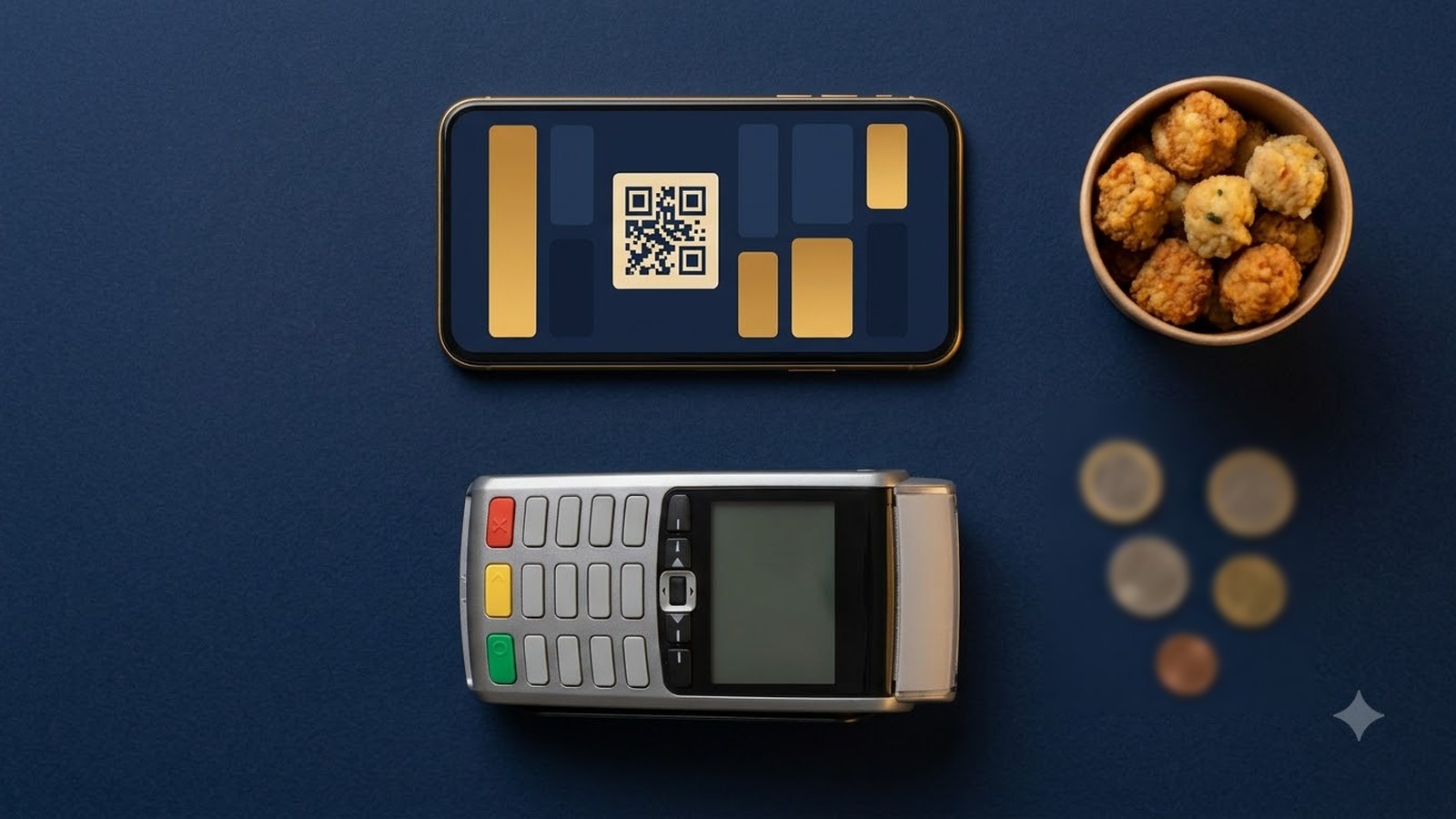
The payoff From assuming you'll 'just use Kakao Pay like the locals' and getting stuck at checkout → to landing with a payment stack that clears 95%+ of terminals in Korea without a Korean bank account.
📈 Trend signal: kakao pay / naver pay for foreigners — evergreen commercial-intent travel search, rising 2026 after Naver passport verification launch
Can Foreigners Use Kakao Pay or Naver Pay in Korea? The Honest 2026 Answer
Somewhere between booking your flight and packing, a travel blog told you to “just set up Kakao Pay when you land — it’s what everyone in Korea uses.” It’s the most confidently wrong sentence in Korea travel advice. You arrive, open the app, tap “add card,” enter your Visa… and it bounces you to a screen asking for a Korean resident registration number you’ll never have.
I’ve lived in Seoul for five years and I use Kakao Pay every day — but I also help newly arrived friends every month, and I’ve watched a dozen of them hit that exact wall. So here’s the version nobody selling you a “seamless cashless Korea” fantasy will give you: as a short-term foreign visitor, you probably cannot use Kakao Pay for spending at all, and Naver Pay only half-works. The good news is you don’t need either. Let me show you why they fail, what Naver actually changed in 2026, and the payment stack that works from the moment you clear immigration.
This post contains affiliate links. If you buy through them, I may earn a small commission at no extra cost to you.
Why Kakao Pay blocks tourists (it’s not a bug)
Kakao Pay isn’t a standalone wallet you can top up like PayPal. It’s a payment layer bolted onto KakaoTalk, Korea’s dominant chat app, and it’s designed for residents. To register a payment method inside it, you generally need three things a tourist doesn’t have:
- a Korean bank account or a card issued in Korea,
- a Korean phone number for SMS authentication, and
- an Alien Registration Card (ARC) — which you only get if you’re staying long enough to register as a resident.
The technical reason a foreign Visa or Mastercard fails is that Kakao Pay’s card registration runs through Korea’s domestic online-authentication framework. Your overseas card has no record in that system, so the registration screen simply rejects it — even though the very same physical card taps fine at a convenience-store terminal on the international Visa/Mastercard network. In short: your card works in Korea, just not inside Kakao Pay.
If you’re moving to Korea (student, worker, long-stay), that changes — once you have an ARC, a Korean bank account and a local number, Kakao Pay setup takes about ten minutes inside KakaoTalk and it’s genuinely excellent. But that’s a resident’s tool, not a tourist’s — and a Korean SIM to get that local number comes first anyway.
What Naver actually changed in 2026 (and what it didn’t)
Naver Pay is the more hopeful story, because Naver has been openly courting foreign travelers. Two real, dated changes matter:
- May 2025: Naver opened bookings, orders and payments on Naver Map / Naver Place to foreign visitors and announced it would let users register credit cards issued overseas — with menus and listings auto-translated by its Papago AI. (source)
- June 4, 2026: Naver launched Passport Verification, letting foreign visitors verify their identity with an overseas-issued passport — without a Korean mobile number — to use Naver Map bookings, orders and payments. (Naver press release)
That second one is the real unlock, because the old blocker was never the card — it was identity verification, which used to demand a Korean phone number tourists don’t have.
Here’s the honest caveat, though: Naver’s own June 2026 announcement confirms passport-based identity verification, but does not explicitly promise that every overseas card will register and charge cleanly through it. In practice, travelers still report foreign cards getting flagged by Naver’s payment gateway more often than they’d like. So treat Naver Pay as “worth trying if you specifically want to book or order inside Naver Map” — not as your guaranteed everyday payment method. Set your expectations there and you won’t be stranded at a checkout.
So what do you actually pay with? The stack that works
After five years here, this is what I tell every visitor. None of it needs a Korean bank account.
| Payment method | Works for | Foreign card / no-bank OK? | Watch out for |
|---|---|---|---|
| WOWPASS | Shops, cafés, restaurants, convenience stores + transit | ✅ Load foreign cash or card; runs on Korea’s domestic network | ~₩5,000 card fee; small refund fee on leftover balance |
| T-money | Subway, bus, taxi, CVS snacks | ✅ Anonymous, cash top-up, no ID | Transit + small buys only; not for big retail |
| Your foreign contactless card / Apple Pay | Major retailers, chains, CVS (~90–95% of places) | ✅ Tap on Visa/Mastercard network | Rejected at some self-order kiosks, small shops, older terminals |
| Cash (₩) | Markets, street food, tent bars, temples | ✅ Always works | Carry ₩30,000–50,000; exchange in Myeongdong, not the airport |
| Kakao Pay | Everything — for residents | ❌ Needs Korean bank + phone + ARC | Not realistically available to tourists |
| Naver Pay | In-app booking/order inside Naver Map | ⚠️ Passport verification since June 2026; overseas cards still glitchy | Don’t rely on it as your only method |
The single best move is a WOWPASS — a prepaid card built for exactly this problem. It looks and taps like a normal Korean debit card, you load it with foreign cash (USD, EUR, JPY and more) at bright-yellow kiosks in the airport, Myeongdong, Hongdae and dozens of subway stations, and because it settles on Korea’s domestic payment network it’s accepted at the very places that reject a raw foreign Visa. It also carries a built-in T-money balance, so the same card taps you through the subway gate. Card cost is roughly ₩5,000, there are no per-purchase fees, and loading with cash is free (loading via a foreign card adds ~1–1.5%).
Pair it with a plain T-money card for transit (our full T-money guide covers where to buy and reload it), keep your tap-to-pay card for the 90%+ of terminals that take it, and hold ₩30,000–50,000 in cash for traditional markets and street stalls. That combination clears virtually everything you’ll actually try to buy — including a haul at Olive Young, where your foreign card taps fine (here’s what’s worth buying there).
The one thing to set up before you land
Every one of these methods — verifying Naver, loading WOWPASS in-app, calling a Kakao taxi — needs data the moment you step off the plane. Sort your connectivity first: a Korea eSIM or SIM is the quiet prerequisite that makes the whole payment stack usable. Land connected, grab a WOWPASS at the arrivals kiosk, and you’ve skipped the entire Kakao Pay dead end.
FAQ
Can a tourist use Kakao Pay in Korea? Realistically, no. Kakao Pay’s card registration requires a Korean bank account or Korean-issued card, a Korean phone number, and usually an ARC — none of which short-term visitors have. Your foreign card still taps fine at physical terminals; it just won’t register inside Kakao Pay.
Can I register a foreign credit card in Naver Pay? Sometimes. Since June 4, 2026, Naver’s passport verification lets foreign visitors verify identity without a Korean phone number and use Naver Map bookings, orders and payments. Naver has said it supports overseas-issued cards, but travelers still report foreign cards being flagged, so don’t count on it as your only payment method.
What’s the easiest way to pay in Korea without a Korean bank account? A WOWPASS card. Load it with foreign cash at a kiosk and it works on Korea’s domestic network like a local debit card, plus it carries a T-money transit balance. Add a little cash for markets and you’re covered.
Does Apple Pay work in Korea for foreigners? Apple Pay launched in Korea in 2023, but it rides the same Visa/Mastercard rails as your physical card — so it’s accepted at most big retailers and rejected at the same small shops and kiosks that reject foreign cards. Useful as a backup, not a full replacement for WOWPASS.
Do I still need cash in Korea in 2026? Yes, a little. Traditional markets (Gwangjang, Namdaemun), street-food carts and tent bars are often cash-only. Carry ₩30,000–50,000 and exchange it at money changers in Myeongdong rather than the airport counters.
Planning Your Korea Trip? Don't Pay Full Price! ✨
Save $20–$50 per person with our verified reader perks & skip the long ticket booth queues:
AREX Incheon ↔ Seoul Express
Non-stop 43-min direct train with guaranteed reserved seats & free Wi-Fi. Scan your mobile QR straight at the gate!
Get 20% Off AREX Ticket →Korea Unlimited 5G eSIM
Skip the 30-min airport counter line. Scan the QR code to connect instantly for smooth Naver Maps navigation.
Compare Korea eSIM Options →WOWPASS Card (Pay + T-Money)
Pay anywhere in Korea with zero FX fees + subway card. Use code KOREAEASY for 0.5% cash top-up bonus!
Top Seoul Passes & Day Tours
Guaranteed entry for Lotte World, Nami Island tours, CIMER Spa, and Hanbok palace rentals with instant mobile vouchers.
Browse Top Seoul Deals →Sources
- https://www.navercorp.com/en/media/pressReleasesDetail?seq=10034413
- https://www.asiae.co.kr/en/article/2025051516363716539
- https://korea-insider.com/how-to-pay-korea/
- https://onboardkorea.com/kakao-pay-for-foreigners/
- https://english.visitkorea.or.kr/svc/contents/contentsView.do?vcontsId=140663
- https://blog.trazy.com/complete-guide-to-south-korea-wowpass/
Search-trend data from Google Trends (KR) and Naver DataLab. This article is independent commentary and is not affiliated with any broadcaster, agency, or the individuals mentioned.
Renting a Car in Korea: 1949 vs 1968 IDP Rules, Self-Service Gas Stations & the Hi-Pass Toll Lane Trap
Korea's Coin Laundromats: Foreign Card Failures, Detergent Dispensers & the Change Machine Trap