Travel
E-2 Visa Document Checklist for Korea (2026): Every Paper You Need — and the One That Trips People Up
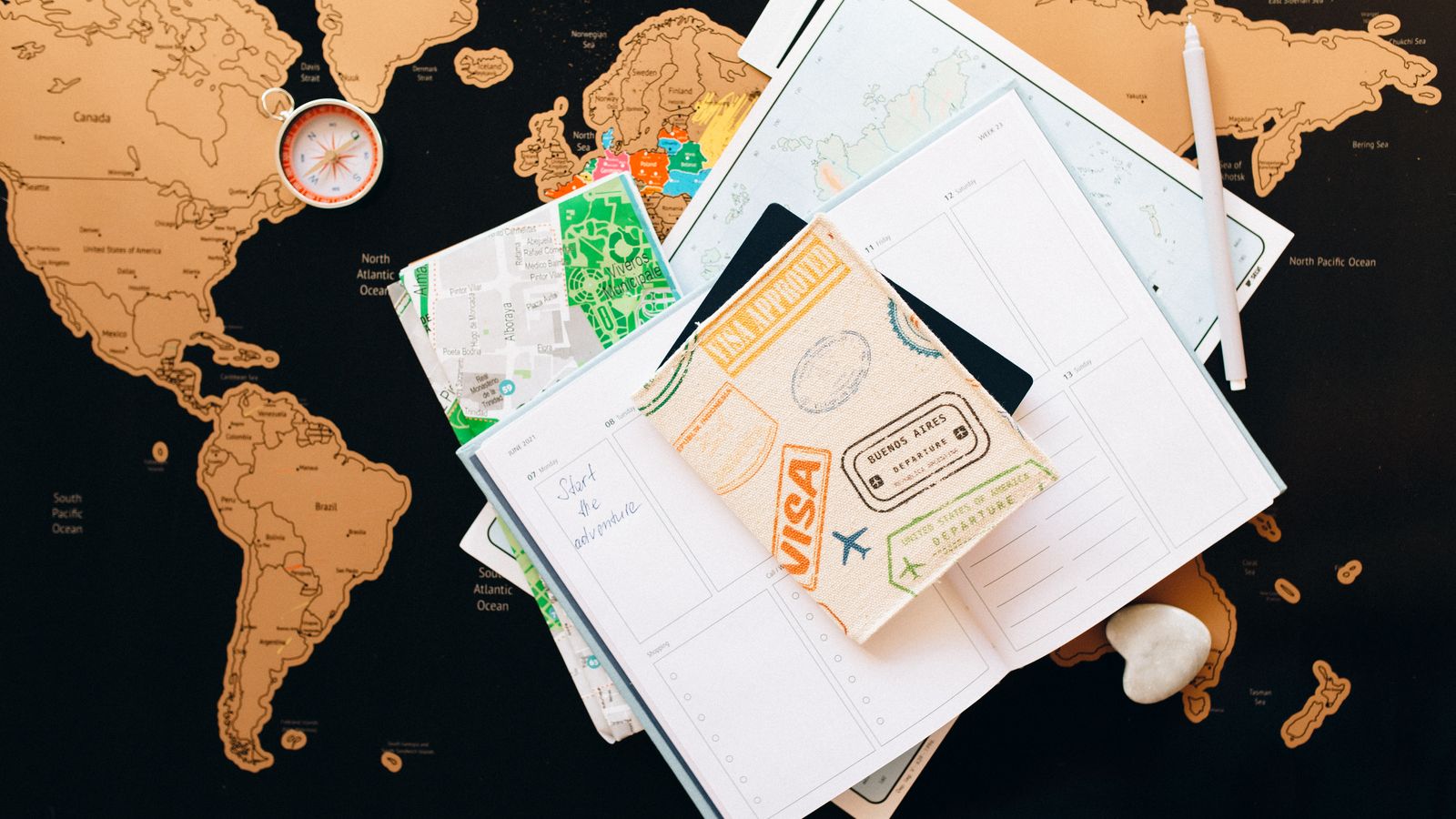
The payoff Staring at a pile of certificates, unsure which ones need an apostille or whether you still owe an HIV test → mailing a clean envelope with exactly the two papers apostilled in the right order, nothing wasted, and your consulate accepting it on the first pass.
📈 Trend signal: E-2 visa 2026 rule change (HIV test removed from medical exam)
Heads up: some links below are affiliate links. If you sign up through them, I may earn a small commission at no extra cost to you. I only point to services I’d actually use to get to Korea.
I’ve packed this envelope myself, and I’ve watched friends apostille the wrong paper and lose three weeks. So let me save you that. The E-2 rules changed in 2026 — most notably, Korea’s Ministry of Justice removed the mandatory HIV test from the E-2 medical exam. Here’s the current checklist so you don’t spend money certifying documents you no longer need.
One rule of thumb before we start: immigration requirements shift, and individual consulates and Offices of Education add their own quirks. Treat this as your working map, then confirm the final list with your nearest Korean embassy or consulate before you mail anything.
Not moving here, just visiting? You probably don’t need a visa at all — and in 2026 you may not even need K-ETA. Twenty-two countries are exempt through the end of the year.
Do you actually qualify for an E-2?
The E-2 (Foreign Language Instructor) visa has three hard gates, and there’s no way around them:
- A completed bachelor’s degree from an accredited 4-year university — in any major. You don’t need an English or education degree. Associate’s degrees and “almost finished” don’t count; final-year students can only apply once they have the completed degree documents in hand (per Korvia’s 2026 guide).
- Citizenship of one of seven countries: the USA, UK, Canada, Ireland, Australia, New Zealand, or South Africa. Your passport, not your accent, is what matters here.
- A clean, apostilled national-level criminal background check.
Not coming to teach? If you’ll be working remotely for an employer or clients outside Korea, the E-2 isn’t your visa — you want the F-1-D “Workation” (digital nomad) visa instead, which has entirely different requirements. We break down which income tier you’d land in in our Korea digital nomad visa guide.
If teaching is the plan, the single best thing you can do to stand out to recruiters is a TEFL/TESOL certificate. It’s not legally required for a public-school or hagwon E-2, but it widens your job options and often bumps your starting pay.
👉 Get TEFL/TESOL certified online at TEFL Course — an accredited course is the cheapest way to widen your job options before you apply.
What changed in 2026
The headline: the HIV test is no longer part of the Ministry of Justice’s E-2 medical requirement. Multiple 2026 teaching-visa guides confirm the MOJ dropped it (Seoulstart, Korvia). This is the change people are still getting wrong — old blog posts and even some recruiter PDFs still list it.
Two honest caveats, though:
- Your employer may still ask. As of 2026, some Offices of Education and private hagwons keep an HIV or drug clause in their own contracts, separate from the visa rule. If your contract lists it, you’ll still need it — so read the contract, not just the visa page.
- The medical exam itself still exists. After you arrive, you complete a post-arrival health check at a designated Korean hospital, typically screening for tuberculosis, syphilis, general health, and drug use (Korvia medical guide). A positive cannabis result is a deportation risk regardless of what’s legal back home — this one is not worth the risk.
The full document checklist
Here’s everything, where it comes from, whether it needs an apostille, and roughly how long it takes. Turnarounds are typical 2026 ranges — build in a buffer.
| Document | Where to get it | Needs apostille? | Typical turnaround |
|---|---|---|---|
| Bachelor’s degree (photocopy) | Your university registrar + notary | Yes | 2–6 weeks |
| National criminal background check (FBI for US, ACRO for UK, RCMP C‑216C for Canada) | National police / federal agency | Yes | 1–8 weeks (varies by country) |
| Passport (valid 6+ months) | Already have it | No | — |
| Passport ID-page photocopy | Home printer | No | Minutes |
| Passport photos (3.5 × 4.5 cm, white background, within 6 months) | Photo studio / pharmacy | No | Same day |
| Signed employment contract | Your Korean school | No | With job offer |
| Health statement form | Provided by employer | No | With contract |
| Resume (chronological) | You | No | Same day |
| Visa Issuance Number (VIN) or Notice of Appointment | Employer files with Korean immigration | No | ~2–3 weeks |
Note: your background check generally must be issued within 6 months of your E-2 application (Federal Apostille), so don’t order it too early.
Apostille, step by step — the part people get wrong
An apostille is a government stamp that makes your document valid abroad. The mistake I see most: certifying the wrong level of document. Here’s the clean sequence.
- Get the right source document. For the US, it must be the nationwide FBI background check — state-level checks are not accepted. Canadians use the RCMP national check; UK applicants use ACRO.
- Notarize the degree (or get an official sealed copy) before apostille, since a diploma isn’t a government-issued record on its own.
- Send it to the correct apostille authority. US federal documents (the FBI check) go to the US Department of State; US degrees go to the relevant Secretary of State. UK documents go to the FCDO. Canada, as of Jan 2024, now issues apostilles directly, which simplified the old embassy-legalization route.
- Budget the wait. Apostille processing commonly runs 4–12 weeks (Korvia); expedited private services can cut that to about a week for extra money.
If mailing federal documents to a government office makes you nervous, a reputable FBI-apostille service handles the courier and queue for you — worth it if your start date is tight.
Passport photos and medical self-check
Two small things that trip people up:
- Photos: Korea wants 3.5 × 4.5 cm, white background, taken within the last 6 months. US “passport photos” are 2 × 2 inches — the wrong size. Ask the studio for “Korean visa size” and bring at least two (some consulates ask for more).
- Medical: Since the exam happens after you land, there’s nothing to certify in advance. But do a self-check: stop any substance that reads as a drug, and if you take prescription medication, carry your doctor’s note and packaging. The post-arrival check is routine for people who prepare.
Timeline and cost: what to budget before you fly
This is the number nobody gives you straight. Here’s a realistic US-applicant estimate for the cash you need before your first Korean paycheck. Figures are typical 2026 USD ranges and will vary by state and service.
| Item | Typical cost (USD) | When |
|---|---|---|
| FBI background check (channeler) | $18–50 | Before apostille |
| FBI check apostille (US Dept. of State fee ~$20 + service/courier) | $20–90 | 4–12 weeks out |
| Degree notarization + state apostille | $20–60 | 4–12 weeks out |
| Passport photos (Korean size) | $15 | Before consulate |
| Visa application fee (at consulate) | $45–60 | At submission |
| Document courier / shipping | $30–70 | Throughout |
| Post-arrival medical exam (in Korea) | ~$80–120 | First 90 days |
| Cash buffer before first payday | $1,000–1,500 | On landing |
| Rough total to have ready | ~$1,230–1,965 | — |
Airfare is often reimbursed by public-school and many hagwon contracts, so I’ve left it out — check your contract. The consulate visa fee sits around $45–60 (OK Recruiting); consulate processing itself is fast, usually 3–10 business days once your file is complete. Those are the one-time, pre-departure costs; for what each month on the ground actually runs — rent, deposits, food, transport — see our Seoul cost-of-living guide for foreigners.
After approval: your first week in Korea
You landed — now the clock starts on two things:
- Alien Registration Card (ARC): Apply at your local immigration office within 90 days of arrival. This is your ID for everything — bank account, long-term phone plan, deliveries. Book the appointment online early; slots fill up.
- A phone number: You’ll want connectivity from the airport, but most long-term SIM plans need your ARC first. The clean workaround is an eSIM you activate before you even land, then switch to a full contract once your ARC is ready. See our Korea eSIM guide for which plan to grab at Incheon.
Also on the list: complete that post-arrival medical exam, open a Korean bank account (needs your ARC), and register your address if you move.
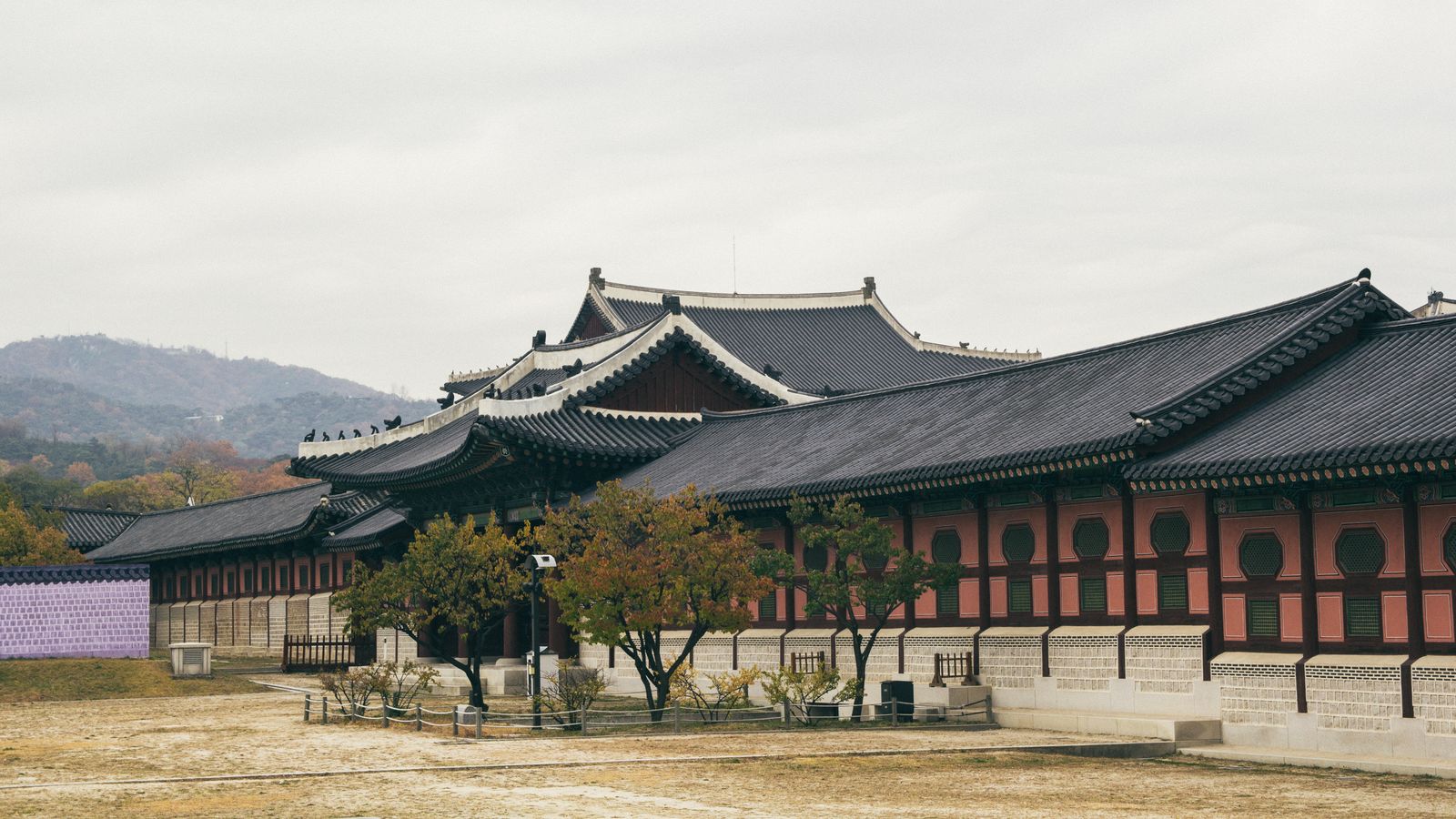
Before arriving on long-term visas, review standard immigration entry forms in our Korea arrival card and waiver guide.
FAQ
Does my bachelor’s degree have to be in English or education? No. As of 2026, any major from an accredited 4-year university qualifies (per Korvia). The TEFL certificate — not your major — is what strengthens weaker applications.
I have a minor criminal record. Am I automatically disqualified? Not necessarily automatic, but a criminal record can block an E-2, and immigration reviews the apostilled check case by case. Be upfront with your recruiter and confirm your specific situation with the consulate before spending on apostilles.
Do I still need an HIV test for the E-2 in 2026? For the Ministry of Justice visa requirement, no — it was removed. But some employers still include it in their own contracts, so check your contract and, if in doubt, your consulate.
Requirements change and every consulate has its quirks, so confirm your final checklist with your nearest Korean embassy or consulate before mailing anything. Once your degree and background check are apostilled and your contract is signed, you’re genuinely most of the way there.
Ready to make yourself the obvious hire before you apply? 👉 Get TEFL/TESOL certified online at TEFL Course.
Planning Your Korea Trip? Compare Your Options
Compare transport, mobile data, and attraction options. Prices and eligibility depend on your selected date and package.
AREX Incheon ↔ Seoul Express
Express train between Incheon Airport and Seoul Station. Follow the selected voucher’s seat reservation and redemption instructions.
Check AREX Express Tickets →Korea eSIM Options
Compare Korea eSIM search results. Check data allowance, supported network, device compatibility, activation, and speed limits.
Compare Korea eSIM Options →WOWPASS Card (Pay + T-Money)
Compare WOWPASS and T-money. Payment and transit balances are separate; check issuance, top-up, exchange, and withdrawal fees.
Read WOWPASS vs T-money →Top Seoul Passes & Day Tours
Browse general Seoul activity search results. This is not a guaranteed-entry pass or a fixed-discount offer; check each product’s inclusions.
Browse Seoul Activity Options →Sources
- https://www.korvia.com/e2-visa-korvia-guide
- https://www.okrecruiting.com/e-2-visa-application-packing-checklist-for-esl-teachers-in-korea/
- https://www.federalapostille.org/south-korea-e2-visa-apostille/
- https://support.korvia.com/portal/en/kb/articles/e2-medical-check-health-check
Search-trend data from Google Trends (KR) and Naver DataLab. This article is independent commentary and is not affiliated with any broadcaster, agency, or the individuals mentioned.